
5 Mistakes to Avoid When Hiring a Roofing Contractor
November 8, 2026
To maintain your plumbing system, check for leaks, keep drains clear, monitor water pressure, and learn how to shut off water before a problem escalates. Routine attention helps first-time homeowners understand what is normal in an older home, while busy households and property managers can catch developing trouble before it disrupts daily routines. It also gives seniors and anyone facing an urgent leak a clear starting point.
TL;DR
- Check for leaks: Look under sinks, around toilets, and beside the water heater for moisture, corrosion, or unexplained puddles.
- Protect drains: Use drain strainers and dispose of grease in the trash instead of washing it down the sink.
- Know your shutoff: Locate the main water shutoff and confirm that household members know where it is.
- Track recurring problems: Note slow drains, pressure changes, and repeat leaks so a plumber can diagnose the pattern.
Key takeaways
A reliable plumbing routine combines visual checks, careful drain use, pressure awareness, and timely repairs instead of waiting for a small symptom to become water damage.
Quick reference for home plumbing care
Why plumbing problems start small and become expensive
Wear, movement, and daily use
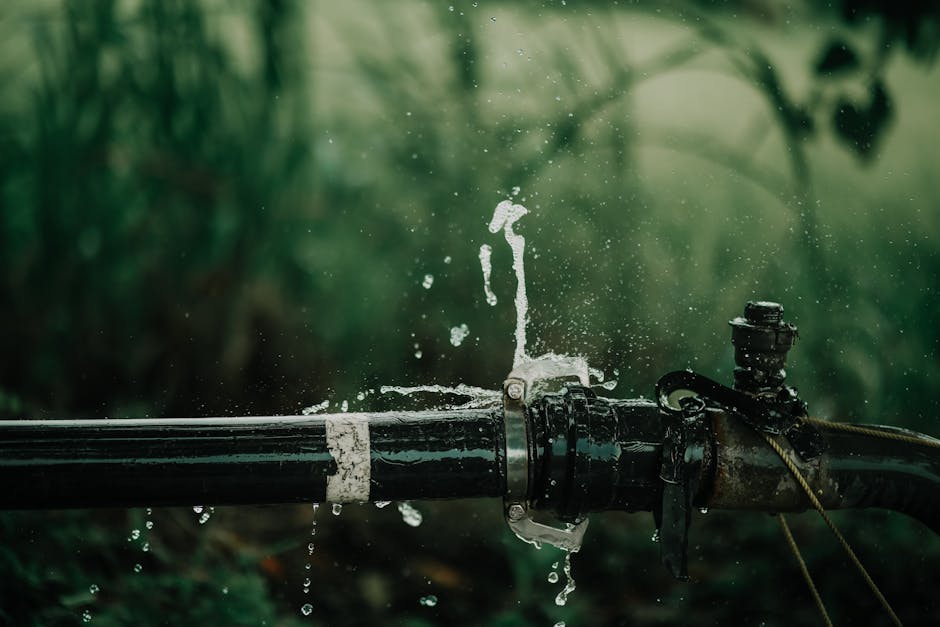
Plumbing problems often begin at connection points. Supply lines flex when people store items beneath a sink, toilet seals can deteriorate, and faucet components wear through regular use. A small drip may seem harmless, but water can swell cabinet material, stain ceilings below a bathroom, or damage flooring before the source is obvious.
Homes also settle and remodels can change how plumbing is used. A new dishwasher, laundry appliance, or bathroom fixture adds connections that deserve inspection. In older properties, a replacement faucet or toilet may expose an existing shutoff valve that no longer closes cleanly. If you have recently bought a home, note the age and condition of visible fixtures rather than assuming everything works because it passed a quick walkthrough.
Clogs and pressure concerns
Hair, soap residue, food scraps, and grease contribute to drain buildup. A plunger might clear a localized blockage, but recurring slow drainage in the same fixture calls for a closer look at the trap and drain line. Chemical drain cleaners are not a reliable substitute for diagnosis, and repeated use can expose plumbing to harsh chemicals without removing the underlying obstruction.
Water pressure matters too. According to the EPA’s Home Maintenance guidance, your water-using fixtures will operate best if your home’s incoming water pressure is between 45 and 60 pounds per square inch (psi). A pressure gauge attached to an appropriate hose connection gives a more useful reading than judging pressure by how forceful a faucet feels.
If readings are outside that range, the cause and suitable fix depend on the home’s plumbing and supply.
Hidden systems need a plan
Not every plumbing system is connected to a municipal sewer. If your home uses a septic system, flushing unsuitable materials or neglecting scheduled care can lead to a much larger repair. According to the EPA’s Why Maintain Your Septic System guidance, regular septic system maintenance fees of $250 to $500 every three to five years is a bargain compared to the cost of repairing or replacing a malfunctioning system, which can cost between $5,000 and $15,000 for a conventional system.
For a property manager, a simple log of reported leaks, fixture repairs, and recurring clogs helps distinguish a one-time issue from a building-wide pattern. Keep the same records at home: date, location, symptom, and any temporary action taken. That information can shorten troubleshooting and help prioritize repairs that threaten finishes or interrupt water service.
How to maintain your plumbing system, step by step

Build a repeatable inspection routine
- Find the main shutoff: Locate the valve that stops water to the home and identify any fixture shutoffs under sinks and behind toilets. Keep the path to the main valve clear, and do not force a valve that is stuck or visibly corroded.
- Inspect visible connections: Use a flashlight to check beneath sinks, around toilet bases, at exposed supply lines, and near the water heater. Look for active drips, mineral deposits, rust, damp cabinet flooring, or a musty smell, then dry the area and recheck to see whether moisture returns.
- Test fixtures one at a time: Run faucets, flush toilets, and operate showers while watching the connections and listening for unusual sounds. A toilet that keeps refilling, a faucet that drips after shutoff, or a fixture that drains slowly is a specific symptom to record, not something to ignore.
- Keep drains clear at the opening: Fit kitchen and bathroom drains with strainers, empty them into the trash, and clean visible hair or debris from stoppers. Avoid pouring cooking grease into a sink, even if it is warm and liquid, because it can cool and contribute to buildup in the drain.
- Check pressure and flow: If pressure seems unusually high or low, take a reading with a suitable pressure gauge at a hose connection and compare it with the EPA’s 45 to 60 psi guidance. Note whether the change affects one fixture or multiple fixtures, since that distinction helps locate the source.
- Review the water heater area: Look around the unit and its connections for moisture, corrosion, or signs of a leak. Do not remove covers or adjust components you are not trained to handle; for a replacement or installation, review the scope of water heater installation services.
- Record changes and follow up: Keep a short home maintenance log with dates, locations, and photos of visible symptoms. For a rental property, use a consistent report for each unit so repeated fixture failures or leaks do not disappear into separate work orders.
Pro Tip: Place a small flashlight and a few paper towels near the area where you keep household maintenance supplies. A dry paper towel passed around a connection can reveal a slow leak that is difficult to see against a dark cabinet.
Ready to address a leak, recurring clog, or fixture problem? Contact our team to discuss your plumbing repair.
Common mistakes that make plumbing trouble worse
Treating symptoms instead of finding the source
- Repeatedly plunging the same drain: A plunger can help with a local blockage, but a clog that returns needs inspection of the stopper, trap, and drain path. Forcing tools into a pipe can damage a fixture or push debris farther into the line.
- Pouring grease or scraps into the sink: A garbage disposal does not make every food item suitable for the drain. Scrape grease and food waste into the trash, and use a sink strainer to catch solids before they enter the plumbing.
- Ignoring a slow toilet leak: A toilet can leak at its base or continue running inside the tank without leaving a large puddle. Check for moisture around the base and listen after flushing; recurring symptoms should be described clearly when arranging a repair.
- Forcing old shutoff valves: A stuck valve can break or start leaking if turned with excessive force. Test accessible valves gently, and have a plumber address a valve that will not operate normally before an emergency makes it urgent.
Choosing shortcuts without checking the risk
- Using chemical cleaner as routine maintenance: Drain cleaner does not correct a damaged pipe, a failed connection, or every obstruction. If a drain remains slow or several fixtures back up, stop adding chemicals and describe the symptoms to a plumber.
- Tightening every fitting by feel: Over-tightening can damage threads or components, while a loose connection may need a replacement part rather than another turn. Identify the exact source before attempting a repair, and stop if the fitting is corroded or difficult to reach.
- Assuming every leak is a plumbing-only issue: Water near an outlet, light fixture, or electrical appliance presents a safety concern as well as a plumbing problem. Avoid touching wet electrical equipment; plumbing versus electrical service guidance can help clarify which trade handles which part of a home issue.
- Closing a maintenance request without documenting it: For families and property managers, a quick note about what was repaired and whether the symptom returned helps prevent repeated visits for an unresolved cause. Record the fixture, location, and any visible change after the repair.
Pro Tip: If a leak appears near a wall or ceiling, photograph the stain and the nearest plumbing fixtures before moving stored items or opening a finished surface. The location and progression can help a plumber trace the likely route without guessing from a single wet spot.
Our approach to preventive plumbing
We recommend starting with what a homeowner can safely see and document: leaks, changes in drainage, fixture behavior, and water around the water heater. A practical home plumbing care routine is not a license to dismantle valves or open equipment. It is a way to notice changes early and give a repair professional a useful description of what is happening.
We would avoid treating every symptom with a universal fix. A slow sink drain is different from multiple fixtures backing up, and a small drip at a faucet is different from water collecting near a ceiling or electrical equipment. The right response depends on the location, the type of plumbing, and whether water can be safely shut off.
For a first-time homeowner, learning the location of the main shutoff and keeping a record of recurring issues are useful starting points. Busy families benefit from catching leaks during ordinary routines, such as checking beneath the kitchen sink while putting cleaning supplies away. Property managers should track each unit separately so patterns are visible.
Seniors should not need to wrestle with a stuck valve or move heavy items to inspect a water heater; arranging help for those tasks is a sensible safety choice.
When to bring in a plumbing professional
Situations that need diagnosis or repair
Call for professional help when a leak continues after the water is shut off at an accessible fixture valve, a pipe is visibly damaged, multiple drains back up, or water is spreading through a wall, floor, or ceiling. A recurring loss of pressure, a toilet that keeps running after simple checks, or a water heater leak also deserves a proper assessment.
If water is close to electrical equipment, keep clear and treat the situation as a safety issue.
Before the first conversation, note the affected fixture, when the problem began, whether it is constant or intermittent, and what you have already tried. Photos of the area and any pressure gauge reading are useful. Do not dismantle a connection or pour drain chemicals into a line before service, since that can complicate inspection.
A good provider should explain the likely source, the repair options, what parts or access the work requires, and what conditions could change the scope. For a wider search, use plumbing contractors near you and compare how clearly each provider describes the work and next steps.
Plumbing maintenance questions homeowners ask
How often should I check my home’s plumbing?
Make quick visual checks part of ordinary household routines, especially beneath sinks, around toilets, and near the water heater. Check again after installing a fixture or appliance, after a repair, and whenever you notice a new sound, odor, moisture mark, or change in drainage. A septic system follows its own maintenance needs, so keep its service records with the home’s other plumbing documents.
What should I do first if a pipe starts leaking?
If you can reach the appropriate fixture shutoff safely, turn it off and move belongings away from the water. If the leak continues, or you cannot identify a safe valve, locate the main shutoff without forcing a stuck or corroded handle. Keep away from wet electrical equipment, take photos if safe, and arrange repair based on the leak’s location and severity.
Is a slow drain always a clog in the pipe?
No. Hair or debris at a stopper can slow one fixture, while a buildup in a trap or farther along a drain can cause a repeated problem. If more than one fixture drains poorly, or a cleared drain quickly slows again, the cause may be beyond the opening. Note which fixtures are affected and avoid repeated chemical treatments while the cause remains unknown.
Can I do plumbing maintenance myself?
Homeowners can handle visual inspections, clean accessible drain stoppers, use strainers, and learn where shutoff valves are located. Repairs involving concealed pipes, corroded valves, repeated clogs, water heaters, or leaks near electrical equipment call for a qualified specialist. Choose tasks based on safe access and your familiarity with the system, not simply on whether a repair video makes the job look quick.
How Servezio helps with plumbing maintenance
Servezio connects homeowners across the country with skilled professionals for plumbing repairs and installations. That can help when a routine inspection uncovers a leak, a fixture needs replacement, or a recurring drain issue needs diagnosis rather than another temporary fix. The right scope varies by home, plumbing layout, and the condition of existing components.
Our home services also include related work when a plumbing concern overlaps with other parts of a property. For example, water damage can involve more than the pipe itself, and the repair plan should identify what needs attention rather than assume every issue belongs to one trade.
- Plumbing repairs and installations: Address leaking fixtures, plumbing connections, and installation needs.
- Preventive home maintenance: Help homeowners and property managers organize upkeep and respond to developing repair needs.
- Related home services: Coordinate attention to other home improvement or repair needs when the situation calls for it.
Ready to get help with a plumbing repair or installation? Connect with Servezio today.
Take the next step to protect your plumbing
The most useful first step is to locate your main water shutoff and make sure the route to it is clear. Then inspect visible plumbing for moisture, check whether fixtures are draining and shutting off normally, and record anything that repeats. Those simple observations make it easier to decide whether a problem needs prompt repair or routine follow-up.
Do not wait for a small leak to damage a cabinet, ceiling, or floor, and do not force a valve or dismantle equipment when the work is outside your experience. A clear description of the symptom, its location, and when it began gives a plumbing professional a better starting point. Consistent checks and timely repairs are the practical way to maintain plumbing system performance in a home.
