
Cost to Install New Flooring: What Homeowners Should Know
November 6, 2026Plumbing vs. Electrical Services: What Does Your Home Need?
November 7, 2026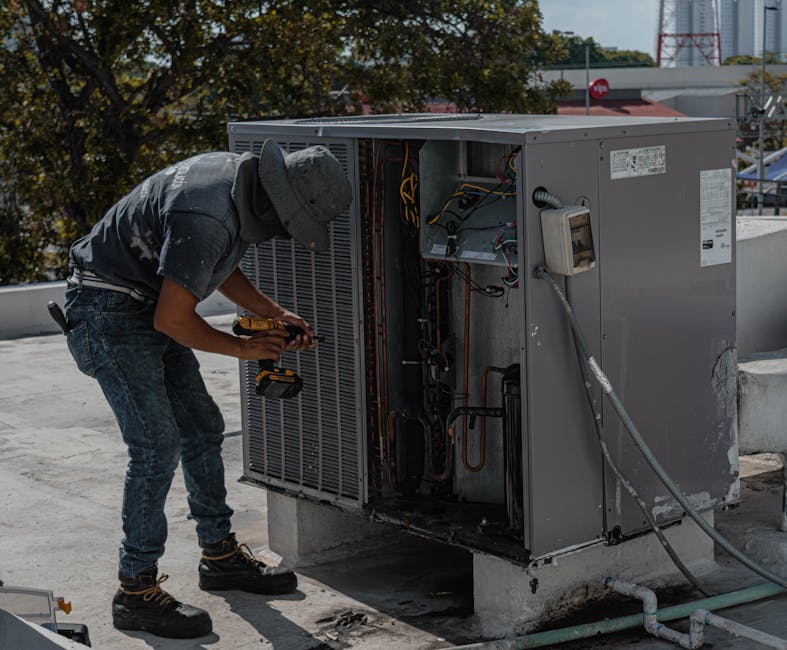
When your air conditioner breaks down, turn it off if you notice smoke, burning smells, water near electrical equipment, or a breaker that trips again, then check basic thermostat and airflow issues before arranging repair. A failed AC is especially stressful when bedrooms are heating up, a household includes someone vulnerable to heat, or a rental property has several units to manage.
Safe checks can reveal a simple setting or filter issue, but refrigerant, wiring, and internal components require a qualified HVAC technician.
TL;DR
- Stop unsafe operation: Shut the system off for smoke, burning odors, electrical concerns, or repeated breaker trips.
- Check the controls: Confirm the thermostat is set to cooling and the set temperature is below the room temperature.
- Inspect airflow: Check the filter and supply vents, and replace or clean a filter only as its instructions allow.
- Record the symptoms: Note when the problem began, sounds, error codes, and whether the indoor and outdoor units run.
Key takeaways
Start with safe thermostat, filter, and breaker checks, then stop troubleshooting when symptoms point to electrical, refrigerant, drainage, or mechanical faults.
Choose the next step by symptom
What to do before troubleshooting
Make the area and information safe
Start by looking for immediate hazards, not by removing equipment panels. If you see smoke, scorch marks, exposed wiring, or water close to electrical components, switch the system off at the thermostat if that is safe to do and keep away from the equipment. If you cannot safely reach the control, leave it alone and explain the hazard when arranging service.
Look at the thermostat display and note its mode, set temperature, and any warning message. For cooling, the mode should read “cool,” and the set temperature should be below the current room temperature. A blank screen could mean a dead battery in some thermostats, but it can also point to an interruption in system power, so do not assume a battery is the only cause.
Check whether the indoor air handler and outdoor condenser appear to be operating. From a safe distance, note whether you hear a steady fan, a click followed by silence, humming, or repeated cycling. Do not put fingers or tools through a grille, remove a service panel, or touch a fan or capacitor.
Gather details that help diagnose the fault
Write down when the trouble began, which rooms are affected, and whether airflow feels warm, weak, or absent. Record any thermostat code and take a photo of visible water, ice, or an error display. For a property manager, identify the affected unit and room, plus whether other apartments or zones have the same problem.
Check the air filter only if you can reach it without tools or entering a hazardous space. Follow the filter’s printed direction and care instructions. According to Common Air Conditioner Faults and How to Recognize Them, cleaning filters is a task for any user: simply remove them, shake off the dust, or wash them in warm water and let them dry.
Not every filter is washable, so check its label before using water.
Pro Tip: Photograph the thermostat display before changing settings. That preserves the original error message, which can disappear after a reset.
A step-by-step plan for an AC failure
Work from simple checks to safe shutdown
- Check the thermostat mode: Confirm it is set to cooling, not heat, fan-only, or off. Lower the set temperature below the room reading and give the system a short interval to respond.
- Check the filter and vents: If the filter is visibly clogged, clean or replace it according to its instructions. Make sure supply vents are open and not blocked by furniture, rugs, or curtains, particularly in rooms that are warmer than the rest of the home.
- Look for visible ice or water: Check the accessible exterior of the indoor unit and nearby floor. If you see ice on refrigerant lines or the coil area, or water collecting near the air handler, turn cooling off. Do not chip ice away or pour chemicals into a drain line.
- Check the breaker once: If the AC breaker is off and the electrical panel is dry, undamaged, and safe to approach, you can reset it once. If it trips again, leave it off. Repeated trips are a warning of an electrical or equipment fault, not a reason to keep trying.
- Observe the outdoor unit from a distance: Check whether the area around the condenser is blocked by leaves, stored items, or debris. Clear loose obstructions from the surrounding space only if it is safe, without opening the unit or reaching through its grille.
- Stop if the symptoms point inside the equipment: Grinding, a strong electrical odor, repeated clicking, a motor that hums without starting, or a system that runs without cooling calls for a technician. Do not handle refrigerant lines, electrical connections, capacitors, or internal components.
- Share a clear service summary: Tell the technician what stopped working, what checks you completed, the thermostat code, and whether the breaker tripped. Mention any recent filter change or maintenance and whether the issue affects one room, one zone, or the whole building.
These basic HVAC troubleshooting steps help separate a setting or airflow issue from symptoms that require repair. They are not a substitute for testing the electrical circuit, measuring refrigerant performance, clearing a concealed condensate blockage, or diagnosing a failed motor.
Pro Tip: If the system has iced up, leave it off and note how much ice is visible. Restarting it before the cause is checked can return the same symptom and make the repair diagnosis less clear.
Signs it is working, and when to call for help
Look for steady operation, not just a quick start
After a safe settings or filter correction, watch for the indoor blower to start and air to move from the supply vents. The outdoor unit should operate without grinding, repeated hard starts, or a breaker trip. A single burst of cool air is not proof of a repair; check whether airflow stays consistent and whether the thermostat continues to call for cooling.
A system that runs continuously but leaves rooms warm, produces weak airflow, or cools only one part of the home still has a problem. Uneven cooling can come from airflow restrictions, duct issues, thermostat placement, or equipment faults. The pattern matters: tell the technician which rooms are affected and whether closing doors or changing the thermostat makes a difference.
Turn the AC off and arrange prompt help for water leaks around electrical equipment, visible ice, or a breaker that trips again. Smoke, scorching, or a strong burning odor calls for immediate shutdown and keeping people away from the equipment. If indoor heat is becoming unsafe for a household member, prioritize a cooler safe location while repair is arranged rather than waiting for the system to recover.
Odors should not be used to identify a chemical. According to the CDC’s ToxFAQs for Hexachlorocyclopentadiene, HCCPD is a yellow or yellow-green colored liquid with a pungent, unpleasant odor. That fact does not establish that HCCPD is present in or near an AC system; leave an unknown odor unexplained and report its location and timing.
According to the CDC’s ToxFAQs for Acrylonitrile, acrylonitrile is a colorless, liquid, man-made chemical with a sharp, onion- or garlic-like odor. This is not a way to diagnose an HVAC fault. Do not try to identify an unknown odor by smelling equipment closely.
Pro Tip: When managing a rental, ask residents to report the room, time, and symptom in writing. Separate reports help distinguish one failed system from a building-wide power or control issue.
Our perspective on AC breakdowns
We approach a breakdown by separating what a homeowner can safely observe from what belongs to HVAC repair. A thermostat mode, an accessible filter, or a blocked supply vent is reasonable to check. A refrigerant leak, electrical fault, failed compressor, or internal drain problem is not a DIY repair, even if a video makes the task look simple.
We also avoid treating every warm room as proof that the entire AC unit has failed. A clogged filter, closed vent, thermostat setting, or zoning issue can change comfort without the same repair being appropriate for every home. The system’s age, equipment type, local climate, and visible symptoms affect the diagnosis, so the best first step is to record facts rather than guess at a part.
A common mistake is repeatedly switching a malfunctioning unit on and off or resetting a breaker. That can hide the original symptom and does not correct the fault. Another is adding refrigerant without finding why the charge is low. Refrigerant work and electrical diagnosis require the right equipment and training.
We believe clear communication matters as much as a fast appointment. Describe what the system did, what changed, and what you observed. For a home with older residents, young children, or several occupied units, share the urgency and affected areas at the start so the service need is understood accurately.
When to bring in an HVAC professional
Know when the repair is beyond a homeowner check
Bring in an HVAC technician when the breaker trips more than once, the system leaks water, ice returns, airflow stays weak after a filter check, or the AC runs without cooling. Electrical smells, loud mechanical noises, a blank thermostat that remains unresponsive, and repeated short cycling also warrant diagnosis rather than continued resets.
Before the first conversation, gather the equipment location, thermostat model if visible, any error code, and a concise timeline. Note whether the indoor and outdoor units run, whether one room or the whole home is affected, and what you already checked. In a managed property, include the unit number and whether neighboring units report the same issue.
A good provider should explain what they plan to inspect, what the observed symptoms indicate, and which repair options address the cause. Ask whether the quoted work includes diagnosis, parts, labor, and any follow-up testing. The technician should distinguish confirmed findings from possibilities and explain when a repair is not appropriate, rather than promising a result before inspecting the system.
Frequently asked questions
Should I turn off my AC if it stops cooling?
Turn it off if you see ice, water near electrical equipment, smoke, a burning odor, or hear grinding or repeated hard starts. Also stop if the breaker trips again after one safe reset. If the thermostat is simply set to the wrong mode and there are no warning signs, correct the setting and observe the system.
Continued operation with a visible fault can make the situation harder to assess and may worsen equipment damage.
Can I reset the air conditioner breaker?
If the electrical panel is dry, undamaged, and safe to reach, a single reset is a reasonable check when the breaker is off. If it trips again, leave it off and arrange electrical or HVAC diagnosis. A breaker is a protective device, and repeated trips point to an unresolved problem. Do not open the panel cover, replace a breaker, or keep resetting it to force the AC to run.
Why is my AC running but not cooling the house?
Start with the thermostat mode, filter condition, open supply vents, and whether airflow is weak or normal. If the outdoor unit is not running, the system is icing, or the home stays warm despite steady operation, the cause could involve electrical components, airflow, refrigerant, or other equipment. Those faults need testing. Record the affected rooms and any unusual sound, then share that information during service scheduling.
Is a strange smell from my air conditioner an emergency?
A burning or electrical odor, smoke, or a strong unfamiliar smell warrants shutting the system off and keeping clear of the equipment. Do not lean close to identify the source or assume the odor is refrigerant. If anyone feels unwell, move away from the affected area and seek appropriate urgent help. Tell the HVAC provider where the smell is strongest, when it started, and whether the system was running.
How Servezio helps with an AC breakdown
Servezio connects homeowners with a nationwide network of licensed professionals for home improvement and repair needs. For an AC failure, our relevant service is HVAC repair, maintenance, and installation, with air conditioning service suited to cooling problems that need a professional assessment. The actual repair depends on the equipment and diagnosis, so we do not treat every loss of cooling as the same job.
When arranging service, share the symptoms and safety concerns you recorded: error codes, water or ice, breaker behavior, and which rooms are affected. That information helps clarify whether the request is for a cooling failure, maintenance concern, or possible installation need. Learn more about our air conditioning service or read about energy-efficient HVAC systems if replacement becomes part of the discussion.
- AC repair: Diagnosis for a system that has stopped cooling or is operating abnormally.
- HVAC maintenance: Service to address maintenance needs and help identify developing concerns.
- HVAC installation: A relevant option when an existing system is not a suitable repair candidate.
Need help with a cooling problem? Get in touch with Servezio.
Conclusion
When your air conditioner breaks down, the most important next step is to check for hazards, then stop at the boundary between safe observation and equipment repair. Confirm the thermostat setting, inspect an accessible filter, and record what the indoor and outdoor units are doing. Do not keep resetting a tripping breaker, chip away ice, or open electrical and refrigerant components.
A clear timeline and symptom list makes the first repair conversation more useful, especially for a busy household or a property with multiple units. If the system still fails to cool, shows water or ice, or makes unusual sounds, arrange HVAC diagnosis and share what you observed. That gives the technician a practical starting point without risking an unsafe repair attempt.
