
Cost to Install New Flooring: What Homeowners Should Know
November 6, 2026What are the benefits of energy-efficient HVAC systems?

Energy-efficient HVAC systems use less energy to deliver heating and cooling while maintaining indoor comfort through suitable equipment, controls, and installation. For homeowners, that can mean lower energy use, steadier temperatures, and less strain on equipment, but the actual results depend on the home and how the system is installed and maintained. A first-time homeowner planning renovations might weigh equipment upgrades against air leaks or duct problems, while a busy family may want to avoid uneven rooms and repeated service calls.
Efficiency is a system outcome, not just a label on a furnace or air conditioner.
TL;DR
- Lower energy use: Heating and cooling account for about half of a typical home’s energy usage, so HVAC performance matters to household consumption.
- Comfort relies on fit: Equipment capacity, duct condition, controls, and installation all affect how evenly a home heats and cools.
- Compare the full project: Include installation, existing equipment, insulation, and maintenance needs, not only the unit’s efficiency label.
- Savings are not guaranteed: The result depends on the home, local weather, energy rates, system condition, and how the equipment is used.
Key takeaways
The best HVAC efficiency decision starts with the home’s actual heating and cooling needs, then pairs appropriate equipment with sound installation and maintenance.
Compare the practical options
What to check before choosing a system
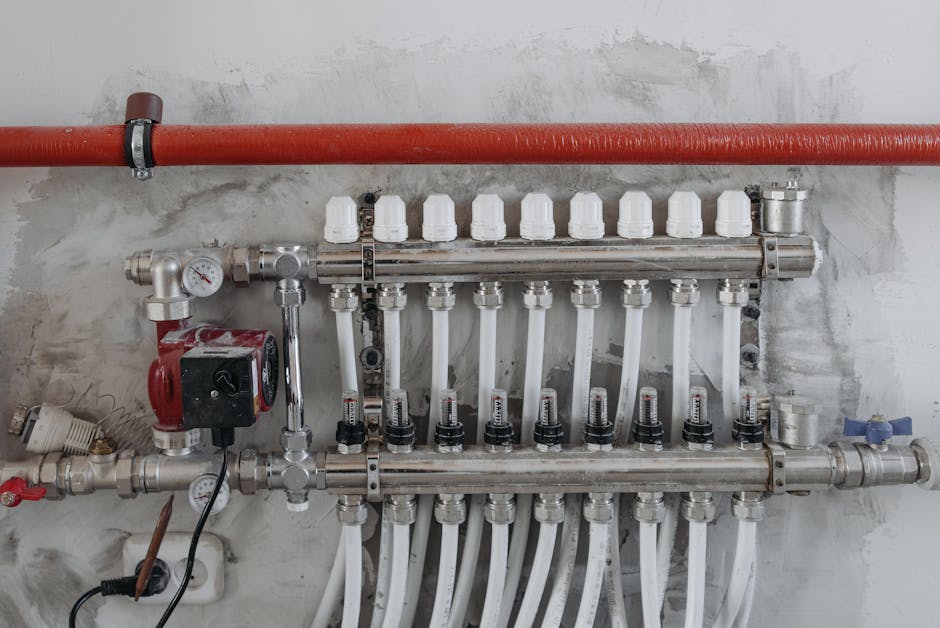
Start with the home, not the equipment label
Before requesting an HVAC replacement estimate, write down what the current system does and where the home feels uncomfortable. Note rooms that stay warm in summer or cold in winter, airflow that seems weak, unusual equipment cycling, and any recent repair history. These details help distinguish an equipment problem from duct, insulation, or control issues.
Heating and cooling equipment works with the rest of the building. A renovation that changes windows, insulation, room layout, or exterior doors can change the heating and cooling load. If a homeowner replaces a unit before accounting for that work, the selected capacity may no longer suit the finished home. Mention planned improvements before a contractor sizes replacement equipment.
According to HVAC High-Performance Comfort Systems, heating and cooling account for about half of a typical home’s energy usage. That makes the system worth assessing, but it does not mean every household should replace a working unit. A repair or airflow correction can be the more appropriate choice when the equipment is in sound condition.
Gather useful records and questions
Bring the equipment model information if it is accessible, past invoices, warranty paperwork, and notes about when comfort or performance problems occur. For a rental property, collect the issue by unit and room so maintenance can identify repeat patterns instead of treating each complaint as unrelated.
Ask a provider to explain the proposed scope in plain terms. A useful estimate identifies the equipment and work included, any duct or control changes, how old equipment will be removed, and what testing will confirm operation. Compare the proposed capacity and configuration with the home’s needs, not simply with the size of the existing unit.
- Check access: Make sure the contractor can reach the indoor equipment, outdoor unit, thermostat, and relevant ductwork.
- Flag urgent symptoms: Record burning odors, water near equipment, loss of heating or cooling, or repeated breaker trips, and mention them before routine planning.
- Separate comfort goals: Tell the provider whether the priority is lower energy use, a more even temperature, quieter operation, or replacing unreliable equipment.
According to State Energy Efficiency Benefits and Opportunities, improving energy efficiency is generally less expensive than investing in new generation and transmission. For a homeowner, that supports taking efficiency seriously, but it does not establish that a particular replacement will pay for itself. The project’s cost and household energy use matter.
A practical sequence for an efficient HVAC upgrade
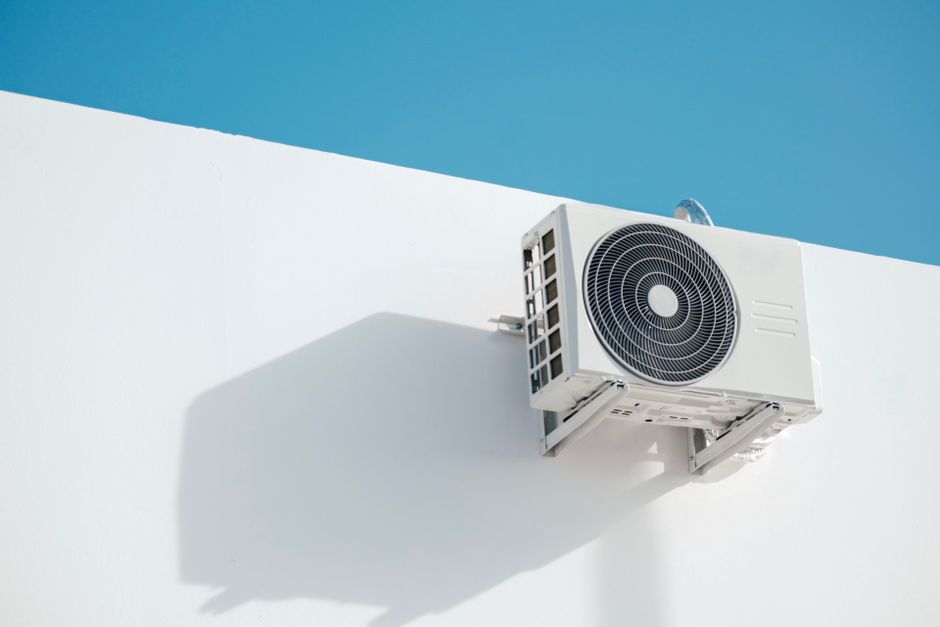
Work through diagnosis before purchase
- Document the symptoms: Record which rooms feel uncomfortable, when the problem occurs, and whether the thermostat reading matches how the room feels. Note recent repairs and changes to the home, such as a remodeled room or new windows.
- Inspect the current system: Have the equipment, filter, thermostat, accessible ductwork, and condensate drainage checked as relevant to the complaint. A clogged filter or disconnected duct calls for a different response than a failed compressor or furnace component.
- Review the home’s heating and cooling needs: The contractor should consider the home’s layout and relevant changes, rather than choosing a replacement solely from the old unit’s capacity. Discuss rooms that are difficult to heat or cool and whether additions or renovations are planned.
- Compare equipment and scope: Review the efficiency information, equipment type, installation work, controls, and any duct corrections together. Check whether the estimate clearly states what is included, what is excluded, and what happens to the old equipment.
- Plan for installation quality: Confirm how the provider will connect the equipment, address duct transitions, set up controls, and verify operation. According to HVAC Quality Installation, more than half of all HVAC systems in US homes are believed to perform poorly due to one or more installation issues. The equipment choice alone does not ensure good performance.
- Check operation after installation: Ask for a walkthrough of the thermostat and maintenance requirements. Keep the equipment information and installation paperwork, and note any rooms that still have weak airflow or temperature differences so the concern can be addressed while the installation details are fresh.
Pro Tip: Before work begins, take clear photos of the thermostat settings, equipment model labels, and any ductwork or drainage concern you have noticed. Those records help you compare the before-and-after setup and describe a later issue accurately.
A replacement is not always the next step. According to ENERGY STAR Products and Benefits, ENERGY STAR-certified homes are 40%–50% more energy efficient than typical new construction homes. That figure applies to homes, not a guaranteed reduction from replacing one HVAC unit in an existing house. It reinforces why whole-home conditions matter when considering energy performance.
Ready to review your home’s heating and cooling needs? Talk with our team about HVAC service.
How to tell whether the system is performing well
Look for evidence, not just a new thermostat
A properly functioning system should respond to the thermostat, deliver conditioned air through the intended registers, and run without a new pattern of disruptive noise, odors, or shutdowns. After a repair or replacement, check the rooms that prompted the work. If the central living space is comfortable but a bedroom remains noticeably different, report the exact room and conditions rather than assuming the whole system is operating correctly.
Energy use is another clue, but a bill alone does not prove the HVAC system is efficient or inefficient. Weather, occupancy, thermostat settings, utility rates, and other household changes affect the total. Compare bills over comparable periods and note major changes, such as a new household schedule or a renovation, before attributing the difference to equipment.
- Steady airflow: Registers deliver air without being blocked by furniture, rugs, or closed-off rooms that disrupt the system’s intended airflow.
- Consistent controls: Thermostat settings match the household schedule, and the system responds rather than repeatedly starting and stopping without reaching a comfortable temperature.
- No unexplained moisture: Water around indoor equipment or a drain line deserves prompt attention because a drainage issue can damage nearby finishes.
- Maintenance access: Filters and service points remain accessible, which makes routine care easier for busy households and property staff.
Pro Tip: When a room feels wrong, note the thermostat setting, time of day, and whether the system was heating or cooling. That practical log gives a technician more useful information than “the system is not working right.”
Some efficient ventilation approaches are designed for particular building types. According to HVAC Retrofit, installing air economizers can help ventilate and cool a building in an energy-efficient way. The cited guidance concerns building retrofits, so an economizer is not automatically a suitable feature for a typical house. A home’s climate, system design, and ventilation needs determine what applies.
Know when a symptom needs a specialist
Stop treating the issue as a routine efficiency concern if the equipment will not run, a breaker trips repeatedly, there is a burning smell, water is accumulating, or heating or cooling has failed during extreme conditions. Those symptoms call for prompt service and a safety assessment. Do not open electrical panels or remove equipment covers to investigate a fault.
A technician should be able to explain whether the finding points to the equipment, thermostat, electrical connection, drainage, or duct system. If the proposed fix is replacement, ask what was inspected and why repair is not the right fit. If it is a repair, ask what operation will be checked afterward.
These answers help homeowners, seniors, and property managers make a decision based on the actual fault rather than urgency alone.
Our perspective on HVAC efficiency
We see energy efficiency as a home-service issue, not a single product feature. A well-chosen unit still needs appropriate installation, functional controls, and an airflow path that fits the home. That is why we encourage homeowners to describe the comfort problem first and compare repair, maintenance, and replacement options against that problem.
We would avoid buying equipment based only on a label or a sales claim about future savings. Energy use varies with the home, weather, utility rates, and household routines, so a specific bill reduction cannot be promised from a product description. We also would not recommend replacing equipment simply because a newer model exists when diagnosis points to a repairable fault or an airflow issue.
For a family planning a renovation, we would factor in the finished layout before the HVAC scope is finalized. For a property manager, we would keep unit-level notes so recurring calls can be tied to a particular system or room. For an older homeowner, a clear explanation of the work and thermostat operation matters as much as the equipment selection.
Our nationwide network connects homeowners with professionals for HVAC repair, maintenance, and installation, with the project shaped around the home’s needs.
When to bring in an HVAC professional
Prepare for a useful first conversation
Bring the equipment model if available, a description of the symptoms, the rooms affected, and any records of recent repairs or replacements. If you manage multiple units, list each unit separately and identify whether the concern is no heating or cooling, inconsistent airflow, moisture, noise, or a control problem. That detail helps the provider plan a focused inspection.
Use a specialist for equipment that will not start, persistent comfort problems, suspected electrical faults, refrigerant-system concerns, or any replacement that requires system sizing and installation. A good provider should explain what was tested, what the diagnosis means, and why the recommended repair or replacement addresses the cause. They should also clarify the work included in the estimate and what maintenance the system requires afterward.
This is not the right moment to compare efficiency labels alone if the immediate issue is a burning smell, repeated breaker trips, or water near electrical components. Treat safety and active damage as the first concern, then consider efficiency once the equipment and home conditions have been assessed.
Frequently asked questions
What are the main benefits of energy-efficient HVAC systems?
The main benefits are reduced energy use for heating and cooling, more consistent comfort when the system is properly selected and installed, and a more deliberate approach to equipment operation. The savings vary with the home, local climate, utility rates, system condition, and household use. Efficiency should be considered alongside installation quality and airflow, not as a promise of a particular bill reduction.
Will replacing my HVAC system automatically lower my energy bills?
No. A replacement can improve efficiency, but the result depends on the old equipment’s condition, the new system’s fit, duct performance, installation, thermostat use, and the home’s heating and cooling needs. A poorly selected or installed unit can disappoint even if its product specifications look favorable. Ask for the diagnosis and installation scope before treating replacement as a guaranteed source of savings.
Is an HVAC repair or a full replacement the better choice?
The right choice depends on the fault, the condition of the existing equipment, and whether the system suits the home. A repair makes sense when a specific problem can be corrected and the equipment remains appropriate. Replacement deserves consideration when the system has a significant failure or the planned work addresses broader needs. A provider should explain the findings and compare the scope of each option.
How can I make my existing HVAC system more efficient?
Start with maintenance and diagnosis: keep the filter and service access in the condition specified for the equipment, keep supply and return grilles unobstructed, and report rooms with weak airflow or persistent temperature differences. Have a technician check the system when performance changes. If you are renovating, share the planned layout and insulation or window changes before equipment work is scoped, since those changes affect what the home needs.
How Servezio helps with HVAC decisions
Servezio connects homeowners across the country with skilled professionals for residential home improvement and repair. For HVAC needs, that includes repair, maintenance, and installation, so homeowners can describe the actual problem and seek service suited to the project. A first-time homeowner planning renovations, a family dealing with uneven comfort, or a property manager coordinating maintenance can start by sharing the equipment concern and the rooms affected.
Our broader home-service network also helps homeowners handle related repair needs as part of caring for a property. The right service depends on the issue, and an HVAC request should stay focused on heating, cooling, airflow, controls, and installation rather than unrelated work.
- HVAC repair: Address a reported operating problem with an appropriate service assessment.
- Preventive maintenance: Keep routine HVAC care on the home maintenance list and make equipment access available.
- HVAC installation: Discuss replacement needs and the home conditions that should inform the installation scope.
Ready to plan your next HVAC repair or installation? Get in touch with our team.
Conclusion
Make the next step a diagnosis
The most useful next step is to identify what your current HVAC system is doing before you buy new equipment. Record the affected rooms, symptoms, equipment details, and any planned renovation, then have the system and relevant airflow concerns assessed. That gives you a basis to compare repair, maintenance, and replacement without relying on a product label alone.
Energy-efficient HVAC systems can support lower energy use and better comfort, but performance comes from matching the equipment to the home and installing it correctly. Keep the estimate, ask what work is included, and check the rooms that originally prompted the service. That practical process helps you make a decision that fits your home rather than chasing savings no provider can guarantee.
Related reading
Sources
- State Energy Efficiency Benefits and Opportunities
- ENERGY STAR Products and Benefits
- HVAC High-Performance Comfort Systems
- Purchasing Energy-Efficient Residential Air-Source Heat Pumps
- Purchasing Energy-Efficient Residential Central Air Conditioners
- Purchasing Energy-Efficient Electric Chillers
- HVAC Quality Installation
- HVAC Retrofit
