
How to Maintain Your Home’s Plumbing System
November 8, 2026How to Choose the Right HVAC System for Your Home
November 9, 2026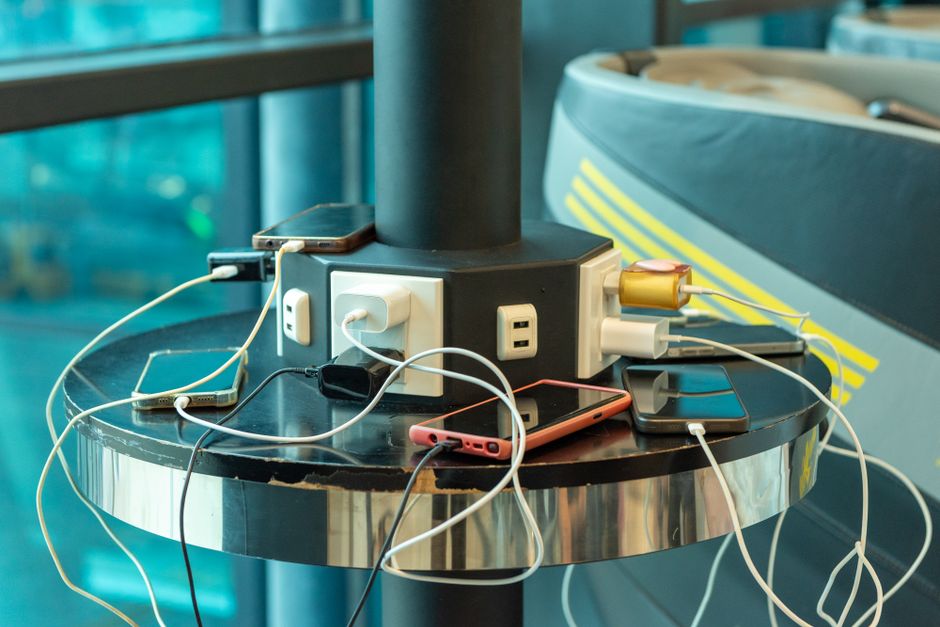
You likely need electrical upgrades when circuits repeatedly trip, outlets feel hot, lights dim under load, or your home lacks grounding and modern shock or arc-fault protection. These symptoms can point to overloaded circuits, deteriorating wiring, or equipment that no longer suits the home’s electrical demands. A first-time homeowner planning a kitchen renovation, a busy family adding appliances, and a property manager responsible for older units may face different upgrade needs.
The right response depends on what an inspection finds, not simply the age of the home or panel. Treat heat, burning odors, sparks, or shocks as urgent warning signs.
TL;DR
- Repeated breaker trips: Frequent trips on the same circuit deserve an electrician’s diagnosis, not a larger breaker.
- Heat or burning odor: Stop using the affected outlet or switch and arrange urgent electrical attention.
- Renovation or new equipment: Check circuit capacity before adding an EV charger, range, HVAC equipment, or other major load.
- Old wiring or missing protection: Have grounding, wiring condition, and required GFCI or AFCI protection assessed together.
Key takeaways
Electrical upgrades should address a confirmed safety issue or a specific capacity need, with the scope based on the wiring, panel, and planned loads.
Quick decision guide
Signs That You Need Electrical Upgrades
Warning signs that deserve attention
A breaker is designed to interrupt power when a circuit is overloaded or a fault occurs. If it trips again after you unplug likely loads and reset it once, repeated resetting is not a fix. The cause could be too many devices on one circuit, a failing appliance, damaged wiring, or a breaker problem.
A licensed electrician needs to trace the circuit and identify the fault before anyone changes its protection.
Lights that dim when a microwave, space heater, or air conditioner starts deserve investigation, especially if the dimming is frequent or occurs across several rooms. A brief change as a motor starts is not the same as persistent flickering, buzzing, or lights that fluctuate with ordinary use. Record which equipment was running and which lights changed; that detail helps narrow down whether the issue is one circuit or a broader supply concern.
Hot or discolored outlets, a burning-plastic smell, crackling, and tingling when touching an appliance are more urgent. Stop using the affected outlet or equipment. Do not remove the cover plate or touch exposed conductors. If you see smoke or fire, leave the area and call emergency services.
Old installations and changed household needs
Two-prong outlets, missing equipment grounding, loose receptacles, cloth-insulated or knob-and-tube wiring, and a panel with signs of corrosion or heat damage all merit a closer look. Their presence does not automatically mean the entire house needs rewiring. The condition, alterations, grounding path, and protection at the panel matter more than appearance alone.
New demands often reveal a capacity mismatch. A finished basement, added laundry equipment, an induction range, a heat pump, or an EV charger can require dedicated circuits or service changes. A panel with empty breaker spaces is not proof that the service can support more load. Likewise, a crowded-looking panel is not, by itself, a complete diagnosis.
For a renovation, bring electrical needs into the planning stage rather than waiting until cabinets or drywall are installed. Our electrical installation services page explains the kind of work homeowners may need for new or changed electrical installations.
How to choose the right electrical upgrade

Match the work to the actual issue
Start by separating urgent symptoms from planned improvements. Heat, smoke, a burning smell, shocks, or visible arcing call for prompt attention. If a breaker trips, note what was plugged in and whether the trip happens immediately or only when several appliances run.
Do not keep resetting it to test different combinations. For a single dead outlet without heat or odor, stop using it and report what else on the circuit works.
Next, list the loads you want to add or change. Include nameplate information when available, such as voltage and amperage, for a new range, dryer, HVAC unit, workshop tool, or EV charger. Note whether the equipment runs continuously or starts with a motor, and identify its proposed location.
A plan for a kitchen remodel is more useful when it lists the range, dishwasher, microwave, and countertop appliance use rather than simply asking for “more power.”
Ask what work is actually being proposed: a repair, a dedicated branch circuit, grounding correction, panel replacement, service upgrade, or broader rewiring. These are different scopes. A panel replacement cannot correct damaged wiring hidden in walls, and adding outlets does not increase the home’s available service capacity. Ask how the proposed work addresses the symptom or load you described.
Pro Tip: Photograph the panel directory and write down which breaker serves the affected room before the appointment, but do not remove the panel cover. A clear, updated circuit list helps the electrician work efficiently and gives you a useful record afterward.
Account for the home and its occupants
For a first-time homeowner, request an inspection that looks beyond the one broken receptacle if the home has old wiring, ungrounded outlets, or signs of DIY alterations. For a busy household, plan work around refrigeration, internet equipment, and other circuits that should stay available. Property managers should track recurring issues by unit and location, so the same fault is not repeatedly treated as an isolated inconvenience.
Older adults or anyone with limited mobility should mention hard-to-reach outlets, inadequate lighting, or reliance on extension cords. The electrician can assess whether safe outlet placement or circuit changes are appropriate. If symptoms appear only when HVAC equipment starts, share the unit’s model information and service history.
Electrical problems and HVAC failures can look alike from indoors; our guide to which service you need for plumbing versus electrical problems helps distinguish an electrical concern from a plumbing one, while HVAC symptoms need their own diagnosis.
What the process looks like once you decide
From symptom report to completed work
- Document the symptoms: Write down what happened, when it occurred, the rooms involved, and which appliances were running. Take photos of visible damage from a safe distance; do not touch a hot outlet or open an electrical panel.
- Describe the planned load: Share equipment specifications, renovation drawings, and the intended location of new appliances or outlets. This helps identify whether the work calls for a branch-circuit change, panel work, or a broader capacity review.
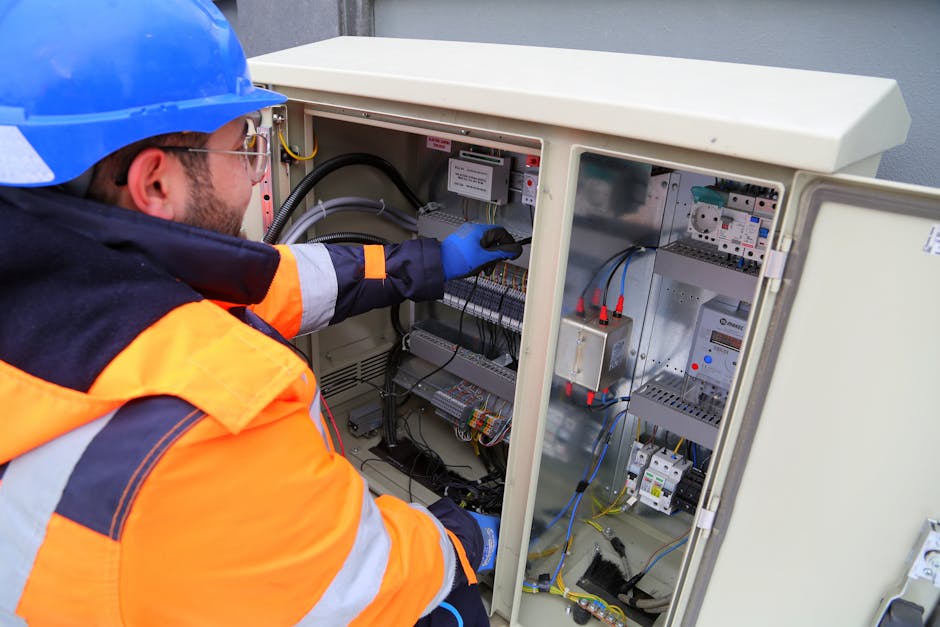
- Arrange an electrical assessment: The electrician reviews the panel, accessible wiring, grounding, circuit protection, and the affected devices. Depending on the issue, a multimeter, circuit tester, or other diagnostic tools help locate the fault; the panel cover should be handled only by a qualified person.
- Review the written scope: Confirm which circuits, outlets, wiring, or equipment will be included, what will be shut off, and whether wall or ceiling access is needed. Ask whether permits or inspections apply under the local jurisdiction’s rules.
- Complete and verify the work: The electrician installs or repairs the specified components, checks connections and protective devices, and tests the affected circuits. Do not assume a new panel means every existing circuit has been inspected or replaced.
- Keep the closeout details: Save permit and inspection records when applicable, equipment documentation, updated panel labeling, and any notes about circuits that remain unchanged. This is especially useful for future renovations or maintenance across rental units.
Electrical code adoption and permitting procedures vary by state and local jurisdiction, so the applicable requirements depend on the home’s location and scope of work. Ask the provider to explain the permit plan and what inspection or testing is part of the quoted work.
Pro Tip: Before work starts, identify any medical equipment, remote-work setup, freezer, or other essential load that should not lose power unexpectedly. Agree on shutdown timing and what will be restored before the electrician leaves.
Our perspective
Upgrade for a clear reason
We believe electrical work should start with the symptom, the home’s existing conditions, and the homeowner’s intended use. A warm receptacle is not a cue to install a bigger breaker. A home’s age is not enough to justify replacing every wire. The useful question is whether the inspection finds a hazard, an unsuitable installation, or a specific capacity gap that needs to be corrected.
We also recommend discussing electrical needs before a remodel closes up walls. Coordinating outlet locations, lighting, and appliance circuits with the renovation plan reduces the chance of reopening finished surfaces later. For busy families, that conversation should include which rooms and equipment need to remain available during work. For landlords, keep records by unit and avoid treating recurring breaker trips as routine maintenance without finding the cause.
We would avoid choosing an upgrade based only on a panel’s appearance or a promise that a larger service will solve every symptom. The wiring, grounding, circuit protection, and connected loads work as a system. A good scope explains what is being changed, why it addresses the issue, and what existing conditions are not included.
When to bring in a professional
Know when the risk is beyond a homeowner check
Bring in a licensed electrician for repeated breaker trips, buzzing or crackling, hot or discolored devices, shocks, suspected outdated wiring, panel damage, or any new high-load equipment. Smoke or fire is an emergency; leave the area and call emergency services rather than trying to investigate the panel yourself. Do not remove a panel cover, replace a breaker with a higher-rated one, or work on live wiring.
Before the first conversation, gather the home’s age if known, renovation plans, equipment labels, photos taken safely, and a short timeline of symptoms. A good provider should explain the likely diagnostic steps, distinguish immediate hazards from optional improvements, identify permit or inspection needs, and give a written scope. They should also clarify whether the work covers only the panel or includes affected branch circuits, grounding, and testing.
Frequently asked questions
Do frequent breaker trips mean I need a new electrical panel?
Not necessarily. A trip can result from an overloaded circuit, a faulty appliance, damaged wiring, or a breaker that needs assessment. An electrician should identify the cause before recommending panel replacement. If only one circuit is affected, a circuit-level repair or a dedicated circuit may address the issue. A panel change makes sense when inspection and load requirements support it, not simply because a breaker tripped more than once.
Are flickering lights a sign of an electrical problem?
They can be, especially when flickering continues, affects several rooms, accompanies buzzing or burning odors, or changes with ordinary appliance use. Note whether one fixture or multiple circuits are involved and what equipment was running. A loose bulb can explain an isolated fixture, but widespread or persistent changes need diagnosis. Stop using any light or switch that feels hot, smells burnt, or produces crackling sounds.
Does an older home always need rewiring?
No. Age alone does not establish that wiring is unsafe or unsuitable. The electrician needs to assess wiring type and condition, grounding, previous alterations, protective devices, and the loads the home serves. A targeted repair or circuit upgrade may be enough, while deteriorated or ungrounded wiring across multiple areas can require broader work. Ask for the inspection findings and the reason for each part of the proposed scope.
What should I do if an outlet is hot or smells burnt?
Stop using it, unplug an appliance only if it is safe to do so without touching a hot or damaged plug, and keep people away from the area. Do not remove the cover or reset a breaker repeatedly. Arrange urgent electrical attention and describe any discoloration, odor, noise, or recent breaker trips.
If there is smoke or fire, leave and call emergency services. A warm outlet should not be treated as a normal result of everyday use.
How Servezio helps with electrical upgrades
Help with the next practical step
Servezio connects homeowners with skilled professionals for home improvement and repair needs, including electrical services and safety upgrades. If you are planning a renovation, dealing with an electrical warning sign, or managing maintenance across multiple properties, start with a clear description of the problem and the work you are considering. The right scope could be a repair, a new circuit, a safety improvement, or a broader system upgrade, depending on what the home needs.
Relevant work may include:
- Electrical repairs: Addressing identified faults and damaged electrical components.
- Safety upgrades: Assessing protective devices, grounding, and other safety needs.
- Installation work: Planning electrical changes for renovations or new equipment.
Ready to discuss a home electrical issue or planned upgrade? Connect with Servezio about electrical services.
Conclusion
Take the warning sign seriously
The clearest signs you need electrical upgrades are repeated breaker trips, persistent dimming, hot or discolored outlets, burning odors, shocks, and wiring or grounding that does not suit the home’s needs. Stop using equipment connected to a visibly damaged or hot outlet, and treat smoke or fire as an emergency. For less urgent symptoms, record what happened and what was running, then arrange an electrical assessment before adding more load or beginning a remodel.
That assessment is the most useful next step because it separates a localized repair from a circuit change, panel work, or rewiring. Ask for a clear explanation of the findings, the work included, and any permits or inspections that apply where you live. A safe upgrade starts with a specific diagnosis, not a guess based on age or appearance.
