
Roof Leaking? What to Do First and When to Call a Roofer
November 10, 2026Exterior House Painting Cost: What Affects Your Price?
November 11, 2026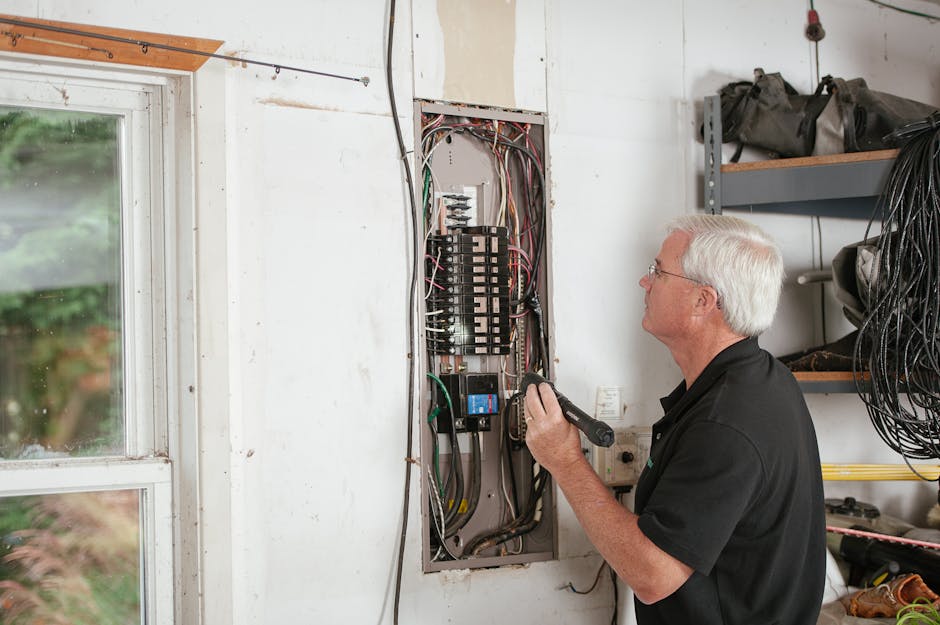
You need electrical upgrades when your home’s wiring, panel, or circuits cannot safely support its current condition or electrical load. A breaker that trips repeatedly, warm outlets, flickering lights, or an older system that has not been evaluated are reasons to investigate, but they do not automatically mean the whole home needs rewiring. For a first-time homeowner planning renovations, or a family adding appliances and home office equipment, the right answer starts with an inspection of the actual system and how you use it.
TL;DR
- Address warning signs promptly: Burning smells, buzzing, scorch marks, or warm outlets call for prompt attention from a qualified electrician.
- Match the work to the problem: A dedicated circuit or outlet repair may solve a specific issue without replacing the entire panel.
- Check capacity before adding loads: Have the panel and circuits assessed before installing major equipment or undertaking a renovation.
- Get a written scope: Ask for the cause, proposed work, permit needs, and any limits on what the upgrade will support.
Key takeaways
The right electrical work is the smallest well-supported scope that resolves a safety concern or meets a documented need.
When do you need electrical upgrades?

Start with symptoms, not assumptions
An electrical upgrade is a change to a home’s electrical system, such as updating a panel, adding a circuit, replacing unsafe wiring, or improving protection at specific locations. The need comes from an identified condition or planned use, not simply the age of the home or a desire for a newer-looking panel.
Pay attention to repeated breaker trips, lights that dim when an appliance starts, outlets that feel warm, or switches and receptacles that buzz. A single flicker during a utility interruption is different from a recurring problem in the same room. Note what was running, which areas were affected, and whether the issue repeats. That information helps an electrician trace the circuit instead of guessing.
Burning odors, visible charring, sparks, or a hot electrical panel are not routine maintenance items. Stop using the affected outlet or equipment if you can do so safely, keep people away, and seek prompt electrical help. Do not remove a panel cover or touch exposed wiring to investigate.
Separate a small repair from system-wide work
A loose connection or failed receptacle can sometimes be corrected at the device or circuit level. If multiple rooms show symptoms, a breaker repeatedly trips under ordinary use, or an electrician finds deteriorated wiring, the cause may extend beyond one outlet. The inspection should establish that distinction before work is priced.
Homeowners often hear “upgrade the panel” when planning a kitchen, adding an HVAC system, or considering an electric vehicle charger. Those plans do call for a load and condition assessment, but the panel is only one part of the system. Existing wiring, available spaces, grounding and bonding, equipment requirements, and local code all affect the work.
For a room-by-room overview of common warning signs, read our guide to signs that you need electrical upgrades. It can help you describe what you are seeing before an inspection.
Choose the scope that fits your home

Compare repair, circuit work, and a panel change
A targeted repair makes sense when the electrician can identify a discrete fault and confirm that the surrounding wiring is suitable. That might mean replacing a damaged receptacle, correcting a connection, or repairing a switch. The key is to find out why it failed, not just replace the visible part and leave the cause in place.
A new or modified circuit is often the more direct solution when a renovation changes how a room is used or an appliance requires a dedicated supply. Kitchen equipment, laundry equipment, and HVAC components each have manufacturer requirements that influence circuit design. Ask the electrician to explain which equipment the proposed circuit serves and whether it affects other planned work.
A panel upgrade is justified when an assessment identifies a panel defect, inadequate capacity for a documented load, or a limitation that prevents necessary work. It is not a universal fix for flickering lights or old outlets. A new panel will not automatically make every existing circuit safe, so ask whether branch wiring, grounding, and connections were evaluated as part of the scope.
Account for future plans without overbuilding
If you are renovating, group electrical decisions with the rest of the project. Opening walls for drywall or flooring work can change access and sequencing, while a later appliance or HVAC installation can affect load planning. Share the actual equipment specifications and renovation plans rather than asking for capacity based on a vague future possibility.
Code requirements also vary by location and project. According to the California Energy Commission’s 2022 Energy Code page, the 2022 Energy Code now requires that all single-family buildings with one or two dwelling units must be energy storage (battery storage) system ready. That fact applies to the stated California code context, not automatically to every home nationwide; ask how local rules apply to your project.
For a rental property, document which unit and circuit are involved and whether similar symptoms appear elsewhere. For an older homeowner, prioritize urgent hazards and essential access before optional upgrades. A useful proposal explains the immediate repair separately from improvements that can be planned later.
Decide what fits your household and project
Use these decision criteria
First, sort the issue by urgency. A warm outlet, burning smell, visible damage, or repeated tripping deserves attention before cosmetic work. If the issue appears only when a specific appliance runs, record the appliance and other loads in use. If the symptom is spread across rooms, tell the electrician exactly where and when it occurs.
Next, connect the proposed work to a real need. A family adding an electric range or changing HVAC equipment should have the new equipment’s specifications ready. A first-time homeowner planning a kitchen remodel should coordinate circuit work before walls are closed. A property manager should gather tenant reports and note whether the issue affects one unit or shared areas.
Then compare scope, not just price. Look for a written description of the affected circuits or equipment, what materials and labor are included, whether inspection or permits are part of the plan, and what existing conditions are excluded. If a proposal calls for a panel replacement, ask what finding supports it and what the panel work will not address.
Finally, weigh disruption. Rewiring and panel work can require access to walls, a temporary interruption to power, coordination with other trades, or scheduling around occupants. For a busy household, ask how the work area will be managed and when critical circuits are expected to be unavailable. A senior living alone may want a family member or property contact present to review the scope and access arrangements.
Pro Tip: Photograph the panel label, breaker positions, and any visible warning signs without removing covers. Keep a short log of the room, time, and appliances involved when a breaker trips.
What happens after you decide?
A clear electrical project follows a sequence
- Describe the concern: Share the home’s age if known, the affected room, recent renovations, and the exact symptom. Mention any burning odor, heat, buzzing, visible damage, or repeated breaker trip first.
- Review the system safely: The electrician examines accessible equipment and wiring, checks the panel and affected devices, and traces the relevant circuit. Homeowners should not open the panel or handle exposed conductors during this step.
- Confirm the cause and scope: The findings should connect the symptom to a specific repair or upgrade. If the recommendation is broader than the original complaint, ask what inspection finding makes the additional work necessary.
- Plan materials, access, and approvals: The scope may involve breakers, receptacles, wiring, a panel, or dedicated circuits, depending on the assessment. Confirm who handles permits and inspections where required, and coordinate wall access with painting, drywall, or remodeling work.
- Complete and check the work: The electrician installs the specified components, tests the affected circuits, and reviews any changes with you. Ask for documentation of the work and any instructions for operating new equipment.
- Keep a useful home record: Save the proposal, invoice, permit or inspection documents if applicable, and notes about which circuits were changed. That record helps a future electrician or property manager understand the system without repeating the same investigation.
Pro Tip: Before a panel or circuit project, list essential items that need power, such as medical equipment, refrigeration, or remote-work devices. Ask how the planned interruption will affect them and arrange a safe alternative where needed.
Ready to clarify the right scope for your home? Talk with our team about electrical service.
Our perspective
We approach electrical upgrades as a condition-and-load question, not a sales checklist. A home with an older panel does not automatically need a complete replacement, and a new panel does not resolve every concern elsewhere in the wiring. We want the recommended work to connect to a specific finding, a safety concern, or a clearly described change in how the home will be used.
We also advise homeowners not to wait for a renovation to investigate an active warning sign. If an outlet is hot or a breaker keeps tripping, that concern belongs ahead of paint colors and cabinet selections. On the other hand, optional capacity for a future project should be evaluated against actual plans, equipment specifications, local requirements, and budget, rather than treated as an emergency.
For homeowners comparing proposals, we favor clear scopes that separate immediate repairs from optional improvements. Ask what is included, what remains untouched, and what inspection or permit steps apply locally. Our nationwide network connects homeowners with licensed professionals, while the specific requirements and available work depend on the property and local rules.
When to bring in an electrician
Bring in an electrician for recurring breaker trips, warm or damaged outlets, unexplained buzzing, visible wiring damage, or a proposed change to the panel or major circuits. Emergency symptoms such as a burning odor or smoke require prompt attention. Do not attempt a do-it-yourself panel repair or use a larger breaker to stop trips; that does not fix the underlying cause and can create a serious hazard.
Before the first conversation, gather the address, a brief description of symptoms, photos taken from a safe distance, appliance information, and any prior electrical work or inspection records. For a rental, note the unit and access arrangements. For a remodel, share the plans and equipment specifications.
A good provider should explain what was inspected, what supports the recommendation, and what is outside the quoted scope. They should also clarify local permit and inspection responsibilities, likely power interruptions, and whether the repair resolves the symptom or prepares the home for a defined future load. If those answers are unclear, pause before approving broad work.
Frequently asked questions
How do I know if my home needs electrical upgrades?
Look for recurring symptoms such as breakers that trip under normal use, outlets that feel warm, buzzing switches, or lights that dim repeatedly when equipment starts. Those signs call for an assessment, not an automatic whole-house upgrade. An electrician should inspect the affected circuit and panel, identify the cause, and explain whether the right scope is a device repair, circuit work, panel work, or a broader correction.
Does an older electrical panel always need replacement?
No. Age alone does not establish that a panel is defective or unable to serve the home. Condition, available capacity, planned equipment, wiring, and local code all matter. A panel with a documented defect or a limitation that blocks necessary work may need replacement, while another older panel may not. Ask for the inspection finding behind the recommendation and what other parts of the electrical system were reviewed.
Will a new panel stop breakers from tripping?
Only if the panel or its capacity is actually part of the cause. Breakers can trip because of an overloaded circuit, a faulty appliance, damaged wiring, or another problem downstream. Replacing the panel without diagnosing the circuit may leave the original issue in place. Record what was running when the trip occurred and whether it affects one circuit or several, then share that with the electrician.
Should I upgrade wiring before remodeling a kitchen?
Have the electrical system assessed while the renovation is being planned, before walls are closed. New appliances and changed room layouts can require different circuit arrangements, and the actual equipment specifications help determine the scope. An electrician can coordinate the proposed wiring with cabinet, drywall, and appliance work. Do not assume a full rewire is necessary, but do not leave circuit planning until installation day.
Are electrical upgrades covered by a tax credit in 2026?
Do not assume a tax credit is available in 2026 based on older program information. According to the ENERGY STAR Electric Panel Upgrade Tax Credit page, this tax credit is effective for products purchased and installed between January 1, 2023, and December 31, 2025. That stated period has ended, so check current eligibility before relying on a credit when budgeting a project.
Can I replace a breaker or outlet myself?
A homeowner should not open a panel or work on exposed wiring to diagnose a fault. Electrical work involves shock and fire risks, and requirements for permitted work vary by location. If a receptacle is damaged, hot, or buzzing, stop using it and arrange an evaluation rather than swapping parts without identifying the cause. Keep people away from visibly damaged equipment and describe the symptoms when requesting service.
How Servezio helps with electrical upgrades
Servezio Home Services connects homeowners with skilled professionals for electrical services and safety upgrades. That can help when you are balancing a renovation, recurring maintenance, or an urgent repair and need to understand which electrical work fits the home. The right scope still comes from the property’s condition, the intended use, and applicable local requirements.
Relevant work may include:
- Electrical repairs: Addressing a specific fault identified during an assessment.
- Safety upgrades: Reviewing and correcting concerns with electrical components or circuits.
- Renovation-related electrical work: Coordinating electrical needs with home improvement plans.
We focus on clear communication about the work being considered and what the proposal covers. Connect with Servezio to discuss your electrical project.
Conclusion
The most useful next step is to document the symptom or the equipment you plan to add, then have the affected electrical system assessed before approving a broad upgrade. A warm outlet or recurring breaker trip deserves prompt attention; a future renovation calls for planning around the actual appliances and local requirements. Neither situation automatically means the whole home needs rewiring.
Ask for a written explanation of the finding, the work proposed, what remains outside the scope, and any permit or inspection steps. That gives you a practical basis for deciding whether you need electrical upgrades now, a targeted repair, or a planned improvement later.
