
How to Choose the Right HVAC System for Your Home
November 9, 2026Roof Leaking? What to Do First and When to Call a Roofer
November 10, 2026
The costs plumbing repairs involve depend on the fault, the time needed to diagnose and fix it, the parts required, and whether the work is urgent. A dripping faucet is a different job from a leaking pipe behind a finished wall, even if both begin as a small patch of water. For a first-time homeowner, a busy household, or a property manager budgeting across units, the useful first step is understanding what a written estimate includes, not relying on one broad average.
TL;DR
- Start with the symptom: Note where water appears, when it happens, and whether the leak changes when a fixture is used.
- Separate diagnosis from repair: A service visit may identify the fault before the plumber can confirm the full repair scope.
- Check the estimate line by line: Look for labor, parts, access work, permits when applicable, and any cleanup or restoration excluded.
- Treat active leaks as urgent: Shut off the nearest safe water valve and arrange prompt help to limit damage.
Key takeaways
Plumbing repair prices are shaped by the fault, access, parts, urgency, and scope, so compare estimates by the work included rather than by the total alone.
Compare the situation before comparing the price
What determines the costs plumbing repairs involve?
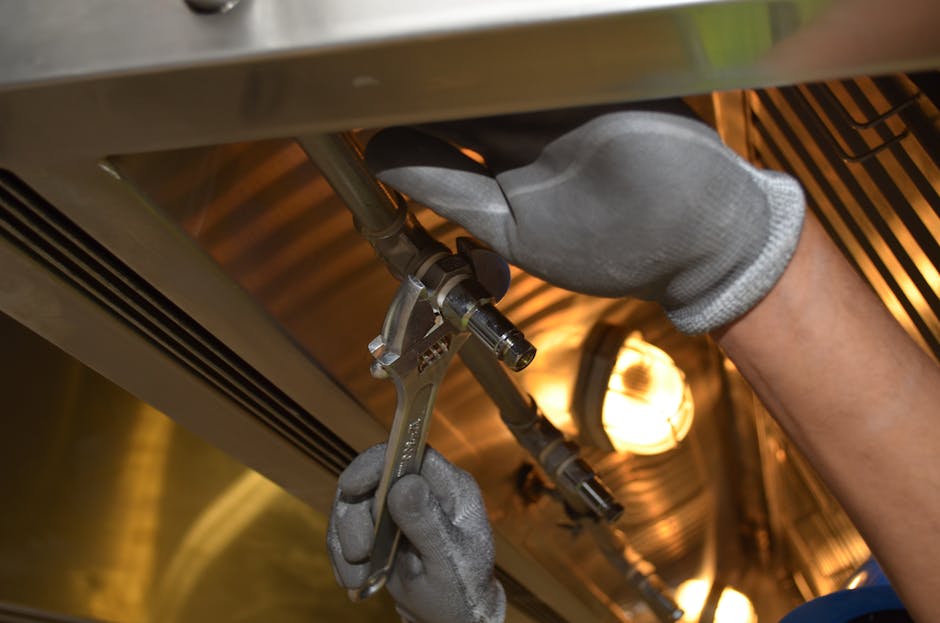
The work starts with diagnosis
A plumber first needs to identify where the failure is and what is causing it. Water showing under a kitchen sink, for example, might come from a supply connection, the faucet, the drain trap, or water running down from the countertop. The visible puddle alone does not establish the repair scope.
Diagnosis can include checking shutoff valves, running the fixture, inspecting exposed pipe and fittings, and testing whether a drain is carrying water properly. A technician may need to isolate a fixture or use access points to trace a hidden leak. If the source is behind drywall or beneath flooring, locating it and reaching it are separate parts of the job.
Labor, materials, and access shape the estimate
Labor reflects the tasks required, not just the time a tool is in use. Removing a corroded fitting without damaging nearby pipe, replacing a toilet fill valve, or cutting an access opening in a wall each requires different preparation and care. Materials may include a replacement fixture part, pipe, fittings, valves, seals, or drain components.
Access often changes the total. A leaking connection in an open utility area is easier to reach than a pipe behind tile, a cabinet back, or a finished ceiling. If the plumber has to open a surface, ask whether patching and repainting are included. Plumbing repairs and finish restoration are often separate scopes, and the estimate should make that distinction clear.
Other possible cost factors include an emergency or after-hours visit, the need to shut off water to part or all of the home, and permit or inspection requirements for certain work. These are not automatic charges for every repair. They depend on the location, type of work, timing, and local rules.
A repair and a replacement are different decisions
A service call may end with a targeted repair, such as replacing a worn seal or a faulty shutoff valve. If a fixture is badly deteriorated, a pipe section is damaged in several places, or a repair would leave unreliable components in service, replacement may be the more appropriate scope. Ask what failed, what the proposed work changes, and what condition the remaining parts are in.
For a property manager, request estimates that identify the unit, fixture, and affected area. That makes it easier to compare repeat issues across properties and keep maintenance records clear. For a household with one bathroom, ask how long water or fixture use is expected to be interrupted so you can plan around children, work, or other daily needs.
What changes the price, timing, and repair outcome?

Severity and timing matter
A small leak caught early may involve a reachable fitting and limited water cleanup. The same leak left unnoticed can soak a cabinet base, damage flooring, or spread into a wall cavity. The plumbing fix and the resulting property repair are not necessarily one job, so clarify which work each estimate covers.
Urgency affects scheduling and may affect dispatch charges. A burst supply line, sewage backup, or leak that cannot be controlled is different from a slow drip into a dry sink cabinet. If water is actively escaping, use the nearest safe shutoff valve, avoid electrical equipment or standing water, and arrange urgent service.
Do not remove a fixture or cut into a wall to find a leak unless you know what is behind it.
Location and access affect the work plan
The location of the problem can influence both labor and materials. A drain clog close to a sink may be reachable through the fixture or an accessible cleanout. A recurring blockage farther down the line may require a different diagnostic approach. Similarly, a pipe joint visible beneath a sink is easier to inspect than a leak that appears on a ceiling below a bathroom.
The home’s plumbing layout also matters. Older or altered piping, unusual fixture connections, cramped crawlspaces, and prior repairs can affect how a technician approaches the job. In a multi-unit property, the plumber may need to determine whether a shutoff controls one fixture, one unit, or a shared section. That distinction matters before work begins because shutting down a shared line affects more residents.
The written scope protects your budget
A clear estimate separates what is known from what is conditional. It should describe the diagnosed problem, the repair or replacement proposed, the parts covered, and any exclusions such as drywall, tile, paint, water-damage cleanup, or disposal. If the plumber cannot confirm the full scope until opening a wall or removing a fixture, the estimate should explain how additional work will be approved.
National plumbing service costs are not one fixed rate. Local labor markets, travel distance, building access, parts availability, and regional requirements all influence pricing. For that reason, a broad online figure is a planning reference at most, not a reliable quote for a specific home.
Pro Tip: Photograph the leak and the surrounding area before moving stored items or drying everything. A clear view of the location, plus a note about when it appears, can help the plumber distinguish a supply leak from water escaping during fixture use.
A checklist to use before you schedule
Gather details that help define the job
A few specific observations make the first conversation more useful. You do not need to diagnose the plumbing yourself. Record what you can see and leave testing or disassembly to the person doing the repair.
- Describe the symptom: Note whether it is a drip, running toilet, slow drain, low pressure, sewer odor, or visible water, and when it occurs.
- Locate the affected area: Identify the fixture, room, floor, and any room below where water stains or dampness appear.
- Check what else is affected: Tell the plumber whether one fixture or several are involved, especially if multiple drains are slow or more than one unit has a problem.
- Find the shutoff if it is safe: Know the location of the fixture valve and the home’s main water shutoff, but do not force a stuck or corroded valve.
- Share relevant history: Mention recent renovations, prior repairs, recurring clogs, or changes in water pressure that may help explain the fault.
- Ask what the estimate covers: Confirm diagnostic charges, labor, parts, emergency fees, access work, cleanup, and any finish repairs that are excluded.
- Confirm approval steps: Ask how additional work will be priced and approved if the plumber finds hidden damage or a different cause after opening an area.
- Plan for household access: Clear the cabinet or work area and tell the provider about pets, children, locked utility rooms, or building access procedures.
Compare scope, not just the bottom line
When you receive more than one estimate, compare the proposed repair and the assumptions behind it. One provider might price a replacement valve, while another includes a broader section of piping. A lower total is not directly comparable if it excludes parts, access, or disposal that another estimate includes.
For ongoing home care, a practical maintenance routine can help you notice small changes before they turn into urgent calls. Our guide to maintaining your home’s plumbing system covers checks homeowners can make without taking plumbing apart.
Pro Tip: Keep the estimate, invoice, and a photo of the completed repair together with the fixture or unit record. For a rental property, this makes it easier to spot recurring leaks and share accurate information if the same issue returns.
Need help defining the repair and the next step? Contact our team to discuss your plumbing service needs.
Our perspective
We look for the cause, not just the visible water
We believe a useful plumbing estimate should connect the symptom to a clear scope of work. A damp cabinet is a clue, not a diagnosis. The source could be a supply line, drain connection, faucet, or water entering from somewhere else, and treating the wrong point can leave the underlying problem in place.
We advise homeowners to avoid choosing a repair from a price alone before the fault is understood. A quick patch might suit a simple, accessible issue, but it is not the right answer if a pipe is deteriorated, a drain keeps backing up, or water is damaging a finished surface. On the other hand, replacing an entire fixture or section of piping is not automatically necessary just because a component has failed.
Our nationwide network is intended to help homeowners access plumbing and other home services, but a specific quote still has to reflect the property, location, and job conditions. We also encourage clear boundaries between plumbing repairs and related restoration. If a leak damaged drywall or flooring, confirm who is responsible for each part before authorizing work.
For a problem that could involve wiring or another system, our guide on whether you need plumbing or electrical service can help you identify the right category of help.
When to bring in a plumbing professional
Call for active leaks, backups, and uncertain shutoffs
Bring in a plumber when a pipe is leaking, a drain repeatedly backs up, water pressure changes across fixtures, a toilet continues running after basic checks, or you cannot identify a safe way to stop the water. A sewer odor or water appearing in more than one fixture also deserves prompt attention because the issue may extend beyond a single drain.
Before the first conversation, note the affected fixture, when the problem began, whether it is constant or intermittent, and what happens when nearby fixtures run. Share photos, prior repair information, and any known access limitations. For a rental unit, include the unit number and whether neighboring units share plumbing or are affected.
A good provider should explain the suspected cause, the tests or access needed to confirm it, the repair options, and what each estimate includes. They should distinguish urgent stabilization from permanent repair and identify exclusions such as wall repair or water-damage restoration. If the scope is uncertain, ask how you will approve added work before it proceeds.
FAQ
How much does a typical plumbing repair cost?
There is no single dependable average for every repair. A straightforward fixture adjustment, a drain blockage, and a hidden pipe leak involve different diagnosis, labor, materials, and access. Location and timing also change the estimate. Use an average plumbing cost only as broad context, then compare a job-specific estimate that states the fault, proposed work, included parts, and excluded restoration.
Why can two plumbers give different repair prices?
Estimates can differ because providers diagnose the cause differently, include different parts or labor, or make different assumptions about access and finish work. One quote may address a visible leak only, while another includes replacing a related valve or opening an area to inspect concealed piping. Ask each provider to describe the scope in writing so you can compare equivalent work rather than totals alone.
Is emergency plumbing service more expensive?
Emergency or after-hours service can involve different dispatch and scheduling charges, but the exact amount and terms vary by provider and location. The condition also matters: an uncontrolled leak or sewage backup needs quicker attention than a contained drip. Ask what the initial visit covers and whether temporary stabilization, diagnosis, and permanent repair are priced separately.
What should I do before a plumber arrives for a leak?
If you can do so safely, close the fixture shutoff or main water valve and move belongings away from the wet area. Keep clear of standing water near outlets, appliances, or electrical equipment. Take a photo, note when the leak occurs, and avoid using the affected fixture. Do not force a stuck valve or open a wall; tell the plumber what you have observed instead.
How Servezio helps with plumbing repair planning
Find support for the plumbing work your home needs
Servezio connects American homeowners with skilled home-service professionals through a nationwide network. For plumbing issues, that means a route to help with repair and installation needs, whether you are dealing with a fixture problem, a leak, or planning work as part of a renovation. The right scope still depends on what is found at the property, so we encourage clear descriptions and estimates that spell out included work and exclusions.
Our home services also include related trades where a project calls for more than plumbing. That can be useful when a repair is part of a broader home improvement plan, but plumbing and finish restoration should be defined separately when they are not part of the same service scope.
- Plumbing repairs and installations: Get help with plumbing work for residential properties.
- Handyman and preventive maintenance: Address suitable home maintenance tasks alongside planned upkeep.
- Other home improvement services: Coordinate with relevant services such as electrical, HVAC, roofing, painting, flooring, or remodeling when a project needs them.
Ready to discuss your repair? Get in touch with Servezio about plumbing services.
Conclusion
Make the first step a clear diagnosis
The most useful way to budget the costs plumbing repairs involve is to identify the source, define the proposed fix, and check what the estimate includes. A visible drip does not always reveal the failed part, and a repair quote may not include drywall, flooring, or water-damage restoration. Those distinctions matter just as much as the final total.
Write down the symptoms, take a photo, and note whether other fixtures are affected before scheduling service. If water is actively escaping, shut it off only if the valve is safe to operate and arrange prompt help. Once the cause is clear, compare estimates by scope, parts, access, timing, and exclusions. That gives you a practical basis for deciding what work to approve and how to plan the household budget.
