
Mistakes to Avoid When Hiring a Handyman
November 12, 2026
To maintain your HVAC system, replace or clean its air filter as needed, keep supply and return vents clear, and schedule routine inspections before heavy heating or cooling seasons. These steps help homeowners catch airflow problems early, whether they have just moved into a first home, are juggling a busy household, or manage several rental units.
Maintenance does not mean opening sealed equipment or attempting electrical or refrigerant repairs yourself. Start with the tasks your system manual allows, record what you do, and bring in a qualified technician for work that requires testing or specialized tools.
TL;DR
- Check the filter: Use the size and replacement interval specified for your equipment, and inspect it more often in dusty or high-use conditions.
- Protect airflow: Keep return grilles and supply registers unobstructed by furniture, rugs, and storage.
- Schedule an inspection: Arrange a qualified service visit before your system’s main heating or cooling season.
- Act on warning signs: Shut the equipment off if you smell burning, see smoke, or notice water near electrical components.
Key takeaways
A reliable maintenance routine combines homeowner-safe checks with scheduled technical inspections, while responding quickly to changes in airflow, sound, temperature, or moisture.
Quick reference
How to maintain HVAC system performance at home
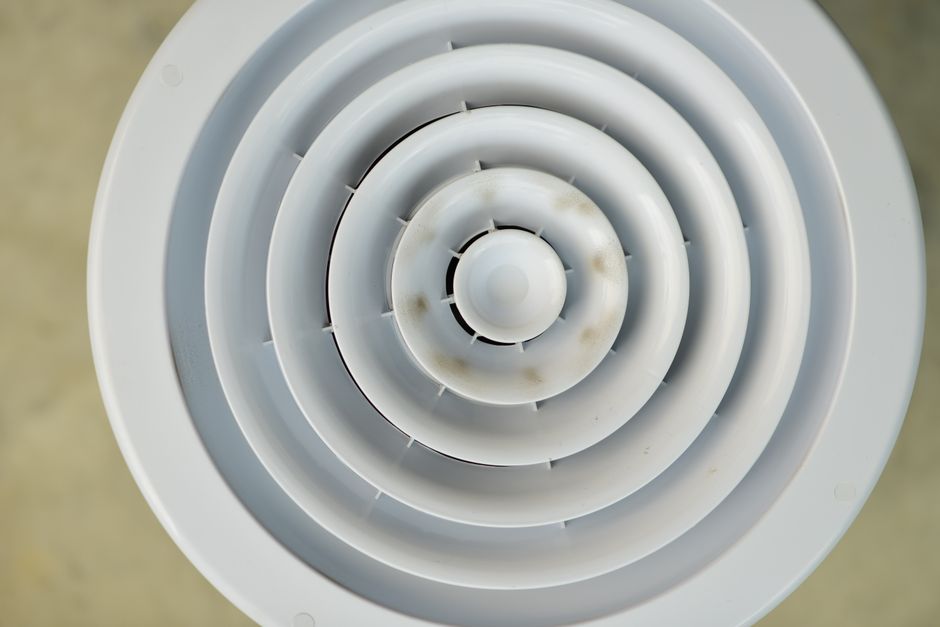
Begin with the equipment and its records
Find the model and serial number on the indoor air handler or furnace and on the outdoor condenser or heat pump. Photograph the labels, note the thermostat model, and keep the equipment manuals, filter size, and service receipts together. These details make it easier to identify replacement parts and explain a problem accurately.
If you recently bought a home, do not assume the previous owner used the right filter or maintained the system. Check whether the filter sits in a return grille, an air-handler slot, or a furnace cabinet, then compare its printed dimensions with the equipment instructions. A filter that looks close but does not fit snugly can let dust bypass its edges.
Know the system type before changing settings. A central furnace and air conditioner, a heat pump, and a ductless mini-split do not all have the same service points. For help understanding equipment choices and system differences, read our guide to choosing the right HVAC system for your home.
Make the routine fit the household
A filter interval is not universal. Pets, renovation dust, wildfire smoke, frequent system use, and the filter’s design affect how quickly it loads. Follow the equipment or filter instructions, inspect the filter visually, and replace it when the instructions call for it or it is visibly dirty. For a reusable filter, follow the maker’s cleaning and drying instructions before putting it back.
According to Cal. Code Regs. Tit. 22, § 72639 – Air Filters, the licensee shall be responsible for regular inspection, cleaning or replacement of all filters installed in heating, air conditioning and ventilating systems, as necessary to maintain the systems in normal operating condition. That regulation concerns its stated setting, but it reinforces why filter inspection belongs in a documented maintenance routine.
For a property manager, label each unit’s filter size and last change date on a work order or maintenance log. In a busy home, keep the correct replacement filter near the equipment so a missed delivery does not turn into a skipped check. Do not increase filter efficiency without confirming that the system is designed to handle it.
Check the controls and airflow
Set the thermostat to the mode you intend to use, and confirm that its schedule has not been changed accidentally. Replace batteries only if the thermostat uses them, and make sure the temperature sensor is not directly affected by sunlight, a supply vent, or cooking heat. A thermostat setting cannot correct a blocked return or a failing blower.
According to 10 CFR § 460.202 – Thermostats and controls, at least one thermostat must be provided for each separate heating and cooling system installed by the manufacturer. The cited provision concerns systems within its scope, not a universal maintenance schedule for every existing home.
Walk through the rooms while the system runs. Confirm that supply registers are open and that return grilles are not covered by curtains, furniture, or stacked boxes. If one room stays uncomfortable, write down when it happens and whether the system is heating or cooling; that information helps distinguish a room-specific airflow issue from a thermostat or equipment problem.
The step-by-step maintenance playbook
Work from safe visual checks to scheduled service
- Turn the system off before hands-on checks. Use the thermostat to stop a heating or cooling cycle before removing an accessible filter or inspecting a grille. For tasks that require opening an equipment cabinet, switch off power only if the manual explains the correct disconnect and you can reach it safely.
- Inspect the filter and its fit. Locate the filter, note its size and airflow arrow, and check for heavy dust or a collapsed, damp, or damaged frame. Install the replacement in the direction marked on the equipment or filter housing, then close the access panel fully.
- Clear indoor airflow paths. Remove furniture, storage bins, rugs, and curtains that block supply registers or return grilles. Dust the grille faces with a vacuum brush or soft cloth, but do not push tools into ductwork or remove fixed grilles unless the instructions permit it.
- Look around the outdoor unit. Remove loose leaves, grass clippings, and other debris from around the condenser or heat pump. Keep access clear for service, but do not straighten coil fins with a household tool, open the electrical compartment, or direct high-pressure spray at the coil.
- Check for visible moisture or damage. Look near the indoor unit for water on the floor, a damp cabinet, corrosion, or a drain line that appears disconnected. Do not pour chemicals into a condensate line or touch wet electrical parts; record what you see and arrange service if moisture returns.
- Test a normal operating cycle. Restore the thermostat setting and let the system run long enough to observe whether it starts, moves air, and shuts off normally. Note unusual cycling, a new rattle, weak airflow, or a persistent temperature gap instead of repeatedly changing the thermostat.
- Book seasonal technical maintenance. A technician can inspect components that homeowner checks do not reach, assess operation, and identify service needs based on the equipment. According to S.C. Code Regs. § 61-125.2500 – Heating, Ventilation, and Air Conditioning (HVAC) (II), the HVAC system shall be inspected at least once a year by a certified or licensed technician. This is a requirement in the regulation’s specific context, not a nationwide rule for every residence.
- Record the work and symptoms. Write down the date, filter size, any setting changes, and what prompted the service visit. For rental properties, keep one record per address and unit so staff do not confuse filter sizes, equipment types, or recurring complaints.
Pro Tip: Take a clear photo of the filter label and equipment data plate before ordering replacements. For a multi-unit building, store the photos by unit number rather than relying on a handwritten note that can be separated from the right equipment.
Signs the system is working, and when to get help
Read performance as a pattern
A system that starts and stops normally, moves air through the registers, and maintains the thermostat setting without new noises is showing useful signs of normal operation. Compare performance with the home’s usual pattern, not just one room or one brief cycle. A closed bedroom door, blocked return, direct sunlight, or a recent change to the thermostat schedule can affect comfort without proving that the equipment has failed.
Pay attention to how long a change lasts. If airflow drops in several rooms after the filter has loaded with dust, replace it according to its instructions and observe the next normal cycle. If weak airflow remains, the cause could be elsewhere, such as a blower, duct, or coil issue that needs diagnosis. A filter change is not a substitute for testing those components.
According to the EPA’s Maintain the HVAC System guidance, regular HVAC maintenance saves energy. The guidance does not promise a particular reduction for an individual household, so treat maintenance as a way to support proper operation rather than a guaranteed savings figure.
Stop troubleshooting when safety is involved
Turn the system off and seek prompt help for a burning smell, smoke, repeated electrical breaker trips, water contacting electrical parts, or a grinding or scraping noise. Do not keep resetting a breaker or run equipment that is visibly leaking into its electrical compartment. If there is immediate danger, leave the affected area and contact emergency services.
Arrange professional diagnosis if the system repeatedly short-cycles, cannot keep up in ordinary weather, freezes, leaks, or produces a persistent odor after the filter and accessible vents are checked. A refrigerant problem, electrical fault, motor issue, or condensate failure is not a safe do-it-yourself repair. Homeowners with limited mobility should not climb ladders to reach ceiling returns or outdoor equipment; request a service plan that includes those locations.
Pro Tip: Keep a short symptom log with the time, outdoor conditions, thermostat setting, and rooms affected. That simple record helps a technician distinguish a recurring problem from a one-time setting change.
Our approach to HVAC care
We see reliable HVAC care as a combination of practical upkeep and timely repair, not a reason for homeowners to take equipment apart. A first-time homeowner can make a strong start by learning the filter location, confirming the thermostat schedule, keeping vents clear, and saving the equipment information. Those checks are useful even when the system needs a specialist for its next step.
We would avoid one-size-fits-all advice such as replacing every filter on the same calendar date or fitting the highest-rated filter without checking compatibility. A home with pets or active renovation work can load a filter faster than a lightly used home, and an older system may have different instructions than a newer one. The equipment manual and what the filter looks like should guide the homeowner-safe routine.
For families managing school, work, and home repairs, scheduling an inspection before the season of greatest use is easier than waiting for a breakdown during extreme weather. Property managers benefit from a repeatable log for each unit, while older adults may prefer to arrange filter and outdoor-unit checks rather than handle awkward or elevated locations themselves. Our HVAC repair, maintenance, and installation services connect homeowners with service options for those needs.
We also encourage homeowners to describe symptoms plainly and avoid guessing at a diagnosis. Tell the technician what changed, when it started, and what you have already checked. That gives the service visit a useful starting point without encouraging unsafe repairs.
When to bring in an HVAC professional
Prepare for a useful first conversation
Use a licensed or otherwise appropriately qualified HVAC technician for electrical troubleshooting, refrigerant work, internal component inspection, recurring water leaks, and repairs that require opening sealed equipment. Bring the model and serial number, a photo of the thermostat, the filter size, recent service records, and a concise description of the symptoms. Note whether the issue affects one room or the whole home and whether it occurs in heating, cooling, or both modes.
A good provider should be able to explain what they inspected, what evidence supports a recommended repair, and whether the proposed work addresses the cause or only a symptom. Ask what is included in the maintenance visit, whether parts or repairs are separate, and what access is needed. For rentals, coordinate entry and provide the unit’s service history so the technician can compare the current complaint with previous records.
Routine HVAC maintenance is not the right fit for an immediate safety emergency. Smoke, fire, or a serious electrical hazard calls for emergency response, not a routine appointment. For a system that has stopped cooling, our guide on what to do when your air conditioner breaks down covers sensible first checks and when repair help is needed.
Frequently asked questions
How often should I maintain my HVAC system?
Use the equipment manual and filter instructions for homeowner checks, because replacement timing varies with filter type, system use, pets, dust, and other household conditions. Inspect the filter regularly enough to notice loading before it becomes heavily clogged, and arrange professional inspection on a schedule suited to the equipment and local requirements. The South Carolina regulation cited above specifies at least one inspection a year in its particular regulatory context, but that should not be presented as a rule for every U.S. home.
What HVAC maintenance can I safely do myself?
Most homeowners can check an accessible filter, replace it with the correct size and direction, clear furniture from vents, dust grille faces, and remove loose debris around an outdoor unit. Follow the manual and keep hands away from moving parts, wiring, and refrigerant connections. Do not open sealed panels, handle refrigerant, bypass safety switches, or use chemicals in a drain line unless the equipment instructions explicitly call for a homeowner task.
Should I close vents in rooms I do not use?
Do not close multiple supply vents as a shortcut to redirect heating or cooling. A duct system is designed to move a particular volume of air, and changing the open registers can affect pressure and airflow elsewhere. Keep supply registers and returns clear, then note which rooms are uncomfortable and when.
A technician can assess whether the cause is a balancing issue, duct restriction, insulation concern, thermostat location, or equipment problem.
Why does my HVAC system run but the house still feels uncomfortable?
Start with simple conditions: check the thermostat mode and schedule, inspect the filter, and make sure supply registers and returns are open and unobstructed. Record which rooms are affected and whether the problem occurs during heating or cooling. If comfort does not improve after correcting those accessible issues, continued operation could point to a duct, blower, coil, control, or equipment-capacity problem that needs diagnosis rather than repeated thermostat changes.
Does regular HVAC maintenance lower energy bills?
Regular HVAC maintenance saves energy, according to the EPA guidance cited in this article, but that statement does not establish a specific amount of savings for every home. Results depend on the equipment’s condition, use, settings, climate, and the work required. Maintenance also cannot correct every cause of high energy use, such as poor insulation, air leaks, or an incorrectly sized system.
Treat a bill change as a reason to review the whole home, not as proof of one HVAC fault.
How Servezio helps with HVAC maintenance
Servezio connects homeowners across the country with professionals for home improvement and repair needs, including HVAC repair, maintenance, and installation. The right service depends on the equipment, the symptoms, and whether the home needs routine inspection or a repair. We focus on helping homeowners find service suited to the task, whether they are planning seasonal upkeep, responding to an equipment problem, or coordinating needs across rental units.
Relevant service needs include:
- HVAC maintenance: Arrange a system check when homeowner-safe filter and airflow checks do not answer a performance concern.
- HVAC repair: Address recurring noises, weak airflow, leaks, or a system that does not operate normally.
- HVAC installation: Explore replacement when existing equipment is beyond the repair that makes sense for the home.
Ready to plan HVAC service for your home? Get in touch with Servezio.
Conclusion
Make the next check specific
The most useful next step is to identify your system’s filter location, size, and replacement instructions, then check whether air can move freely through the returns and supply registers. Write down the equipment details and any symptoms you notice. That gives you a sound routine without opening equipment or guessing at repairs.
If the system has a new leak, unusual noise, repeated shutdown, weak airflow that persists after a correct filter change, or an electrical warning sign, stop treating it as routine maintenance. Arrange the right level of service and share your notes. Consistent, equipment-specific checks help homeowners spot changes early and give technicians better information when a repair is needed.
