
How to Choose the Best Roofing Material for Your Home
November 13, 2026Benefits of Energy-Efficient Home Upgrades | Servezio
November 14, 2026
The clearest signs electrical system upgrade work may be needed include frequent breaker trips, warm or discolored outlets, flickering lights, burning odors, and a panel that cannot safely support your home’s electrical needs. One symptom alone does not always mean the whole system needs replacement, but repeated or worsening problems deserve attention. For first-time homeowners, these warning signs can appear during renovations or when adding major appliances; for busy households, they often show up as circuits pushed beyond their capacity.
Knowing what to observe helps you describe the problem clearly and decide how quickly to act. Some signs call for prompt attention, especially heat, smoke, or a burning smell.
Key takeaways
Electrical warning signs point to different levels of risk, so record what happens and treat heat, smoke, and burning odors as urgent.
Match the sign to the next step
Why electrical problems appear as a home changes

Age, load, and wear all matter
Electrical systems are built from connected parts: the service entrance, meter, panel, breakers, branch-circuit wiring, switches, outlets, and grounding and bonding components. A system that worked for a smaller household can become strained as residents add window air conditioners, kitchen appliances, computers, EV charging equipment, or workshop tools. The issue is not simply the home’s age.
The condition of the wiring, the panel’s capacity, the type of loads, and the quality of earlier alterations all matter.
Frequent breaker trips are a common clue, but they are not a diagnosis. A circuit may be overloaded because multiple high-draw appliances are operating together, or a specific appliance could have a fault. A breaker that trips repeatedly, will not reset, or trips when the circuit is lightly loaded needs investigation.
Do not replace a breaker with one rated for more current. The existing wire may not be designed to carry that increased load.
Flickering lights also need context. A bulb that flickers in one fixture could be loose or failing; dimming across several rooms when an oven, HVAC unit, or other large load starts is a different pattern. A qualified electrician can check connections, circuit loading, and service equipment to determine where the trouble lies.
The household cost is more than inconvenience
Unreliable power disrupts everyday tasks: a family may lose use of a kitchen circuit, while a property manager may have to coordinate access and repairs across several occupied units. Extension cords and power strips can become a workaround, but they do not add capacity to the building’s wiring. Overloaded or damaged equipment can also create a fire or shock hazard.
Renovation plans expose hidden limitations. A new bathroom, finished basement, or laundry area may require additional circuits, grounding, or other changes. Before work starts, include an electrical assessment in the planning process so the panel and wiring are considered alongside fixtures and finishes. If you are weighing whether the work calls for targeted repairs or broader changes, our guide to whether you really need electrical upgrades explains the distinction.
Older homes may have two-prong receptacles, outdated wiring, or past alterations that are difficult to trace. That does not automatically mean every wire must be replaced. It does mean a visual check of one outlet cannot confirm the condition of circuits behind walls or in the panel.
How to assess the problem and plan the fix
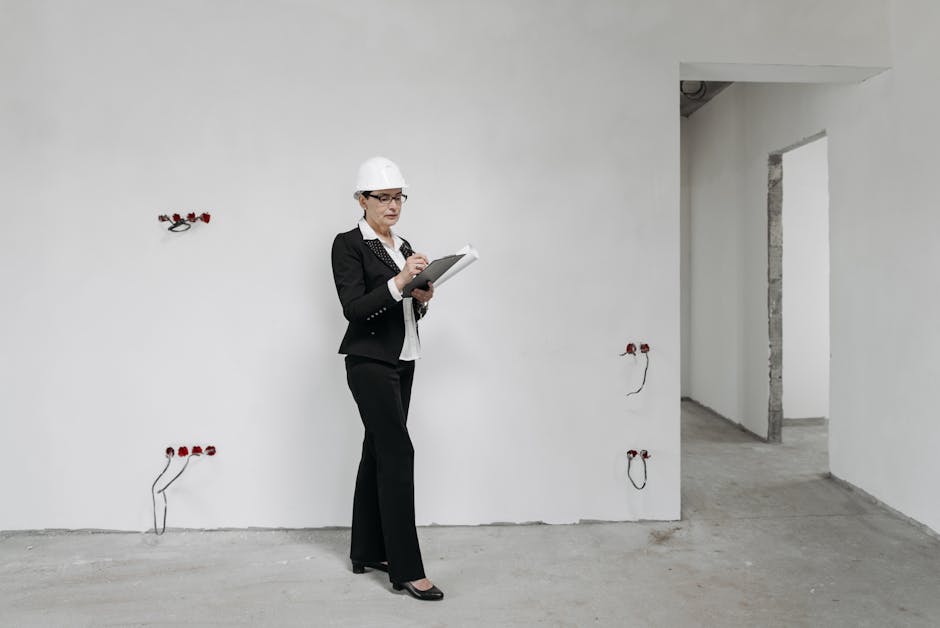
Follow a clear sequence before work begins
- Record the symptoms: Note which rooms or outlets are affected, what was running, and whether the problem repeats. Write down when a breaker trips and whether lights dim in one area or across the home.
- Look for urgent warning signs from a safe distance: Check for smoke, a burning odor, buzzing, visible scorch marks, or heat at an outlet or panel. Do not remove panel covers, touch exposed wiring, or use a receptacle that is hot or damaged.
- Reduce the immediate risk: If you see smoke or fire, leave the home and contact emergency services. For a hot, sparking, or scorched outlet, keep people away and stop using it. Do not repeatedly reset a breaker or try to repair wiring yourself.
- Gather home and equipment details: List major appliances, recent additions, planned renovations, and any areas where power problems occur. If available, find records of panel work, permits, or prior electrical inspections.
- Arrange an electrical evaluation: An electrician can inspect the panel, identify affected circuits, check accessible wiring and connections, and assess grounding and load requirements. The scope of inspection depends on the symptoms and the parts of the system that are accessible.
- Review the proposed scope: Ask which components need repair or replacement, why the work is needed, whether permits or inspections apply locally, and what power interruptions to expect. Compare the proposed work with your immediate safety needs and renovation plans.
- Plan the installation and verification: Depending on the findings, work could involve repairing a connection, adding a dedicated circuit, replacing a panel, or updating wiring. The electrician should explain the sequence, coordinate required inspections, and confirm the affected circuits operate as intended.
Pro Tip: Take a photo of the closed panel directory and write down the breaker label when a trip occurs. Do not remove the panel cover or handle internal components to get a better picture.
A panel upgrade is not automatically the right fix for every electrical symptom. A damaged receptacle connection, faulty appliance, or overloaded branch circuit may call for a more targeted repair. Conversely, adding one new circuit will not solve broader problems if the service or panel cannot support the planned loads. The work should follow the actual diagnosis, not a guess based on a single symptom.
Mistakes that make electrical issues harder to solve
Avoid quick fixes that hide the cause
- Resetting a breaker over and over: A trip is a protective response. Repeated resets can leave an overload or fault unaddressed, so note the pattern and arrange an evaluation if it recurs.
- Installing a larger breaker: Breaker size must match the circuit conductors and equipment. Increasing the rating without verifying the wiring can create a dangerous condition.
- Treating a power strip as added capacity: A strip provides more plug positions, not a new circuit. Do not use it to run several heat-producing or high-demand appliances from one outlet.
- Ignoring heat or discoloration: A warm faceplate, scorch mark, crackling sound, or burning smell is not a cosmetic issue. Stop using the outlet and get prompt help rather than waiting for a renovation.
- Assuming every flicker means a new panel: A failing bulb or fixture can cause a localized flicker. Describe whether the change affects one light, one circuit, or multiple rooms so the inspection can focus appropriately.
- Covering up old outlets without checking the wiring: Replacing a two-prong receptacle with a three-prong style does not by itself provide grounding. The wiring and protection must be evaluated before selecting a safe correction.
- Starting renovation before reviewing electrical needs: New appliances, lighting, and room layouts affect circuit planning. Bringing electrical requirements into the renovation scope early helps avoid opening finished walls twice.
Pro Tip: When a breaker trips, record what else was operating on that circuit before switching anything back on. That simple detail helps distinguish a repeatable load pattern from a problem that occurs even under light use.
Our perspective on electrical upgrades
Fix the actual limitation, not just the visible symptom
We believe homeowners should have a clear explanation of what is wrong before committing to a major upgrade. A dark room, tripped breaker, or aging panel is a reason to investigate, not proof that the entire electrical system needs replacement. The right scope starts with symptoms, a review of the home’s electrical demands, and an inspection of the relevant equipment and wiring.
For a first-time homeowner planning renovations, we would include the electrical review before choosing finishes or closing walls. For a busy family, we would focus on the circuits that support daily essentials and on any immediate safety concerns. A property manager should document which unit and circuit are affected, because a recurring issue in one apartment is different from a building-wide service concern.
We would avoid do-it-yourself panel work, improvised grounding, and breaker substitutions. Those shortcuts can mask the problem without correcting the wiring or equipment condition. A targeted repair is the better fit when inspection identifies a localized fault; an upgrade makes sense when the system’s capacity, condition, or configuration cannot support safe use and planned loads. Our electrical upgrade and installation information can help you understand the type of work involved.
When to bring in an electrician
Know which symptoms need prompt attention
Call for prompt electrical help if an outlet or panel is hot, there is a burning smell, you hear persistent buzzing or crackling, or you see scorch marks or sparks. If smoke or fire is present, leave the building and contact emergency services. Do not touch damaged equipment or attempt to open the panel.
For repeated breaker trips, widespread flickering, or a panel that cannot support planned appliances, arrange an inspection before adding more load.
Before the first conversation, prepare the address, a short symptom timeline, the locations involved, and a list of appliances that were running. Share renovation plans and any records of prior electrical work. A good provider should explain the inspection findings in plain language, separate urgent repairs from optional improvements, describe the proposed scope, and identify any locally required permits or inspections.
Electrical Services & Safety Upgrades should be approached with a clear explanation of what the work addresses, not pressure to replace equipment without an assessment.
Frequently asked questions
How do I know whether frequent breaker trips mean I need an upgrade?
Repeated trips mean the circuit needs attention, but they do not automatically mean the whole panel needs replacement. The cause could be a circuit carrying too much load, a faulty appliance, a damaged connection, or a breaker problem. Note which devices were operating and whether the trip recurs with the same combination. An electrician can inspect the circuit and panel before recommending a repair or upgrade.
Are flickering lights a sign of a serious electrical problem?
It depends on where and when the flickering occurs. One lamp may simply have a loose bulb or a failing fixture, while multiple lights dimming when a large appliance starts can point to a circuit, connection, or service issue. If flickering occurs across several rooms, happens frequently, or appears alongside buzzing, heat, or a burning smell, arrange an electrical inspection. Do not open switches or fixtures to investigate live wiring.
Do two-prong outlets mean my home needs complete rewiring?
Not by themselves. Two-prong outlets indicate that the receptacle does not provide the same grounding connection as a properly grounded three-prong outlet, but they do not reveal the condition of every wire in the home. An electrician needs to assess the circuit and determine a suitable correction. Do not rely on a plug adapter or simply install a three-prong receptacle without verifying the wiring and required protection.
What should I do if an outlet feels warm or smells like burning?
Stop using the outlet and keep people away from it. Do not plug in another device, remove the cover, or attempt a repair. A warm or discolored receptacle, crackling, or burning odor can indicate a failing connection or other hazardous condition, so arrange prompt electrical help.
If you see smoke or flames, leave the home and contact emergency services. Tell the electrician exactly where the odor or heat occurred and what was plugged in.
How Servezio helps with electrical upgrades
Find the right service for the issue
SERVEZIO Home Services connects homeowners with a nationwide network of licensed professionals for home improvement and repair needs. If you are seeing signs that circuits, wiring, or a panel need attention, the next step is to describe the symptoms and the work you are planning. A service request should distinguish an urgent hazard from a scheduling concern, and include whether the issue affects one outlet, a room, or multiple areas.
Our relevant services include:
- Electrical repairs: Address concerns such as recurring breaker trips, damaged outlets, and unreliable power after the cause is assessed.
- Electrical installations: Plan electrical work for renovations, added equipment, or other changes to how a home uses power.
- Safety upgrades: Review electrical needs when existing equipment or wiring raises safety concerns.
Ready to discuss an electrical concern at home? Connect with SERVEZIO Home Services to get started.
Conclusion
Start with the symptom and its pattern
The most useful first step is to record exactly what is happening: which circuit or room is affected, what was running, and whether the symptom repeats. A single flickering bulb is different from lights dimming across the house, just as one overloaded circuit differs from a panel that cannot support planned renovations. Treat heat, smoke, sparks, and burning odors as urgent, and do not attempt panel or wiring repairs yourself.
The signs electrical system upgrade work is needed should lead to an assessment, not an automatic replacement recommendation. With a clear symptom history and a practical inspection, you can distinguish a targeted repair from work that calls for broader electrical upgrades and plan the next step safely.
