
Signs Your Electrical System Needs an Upgrade
November 14, 2026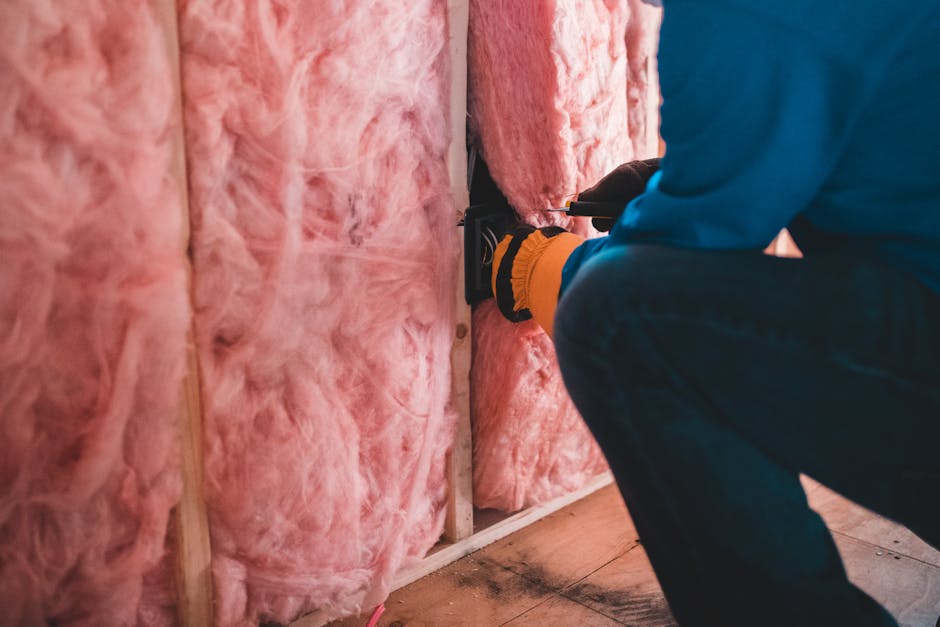
The benefits of energy-efficient upgrades include using less energy, improving indoor comfort, and helping a home perform more reliably. For first-time homeowners, the right improvements can address drafts and aging equipment before they become bigger projects. Busy families and property managers also benefit from upgrades that reduce avoidable energy waste and make comfort easier to maintain.
The best plan is specific to the home: insulation and air sealing can matter more than new windows in one house, while an inefficient heating and cooling system may be the bigger issue in another. Start with the source of the waste, then choose work that fits the building, budget, and safety needs.
Key takeaways
Energy-efficient improvements work best when they address the home’s biggest sources of wasted energy in the right order.
A quick comparison of common upgrade choices
What benefits energy-efficient upgrades deliver in a home
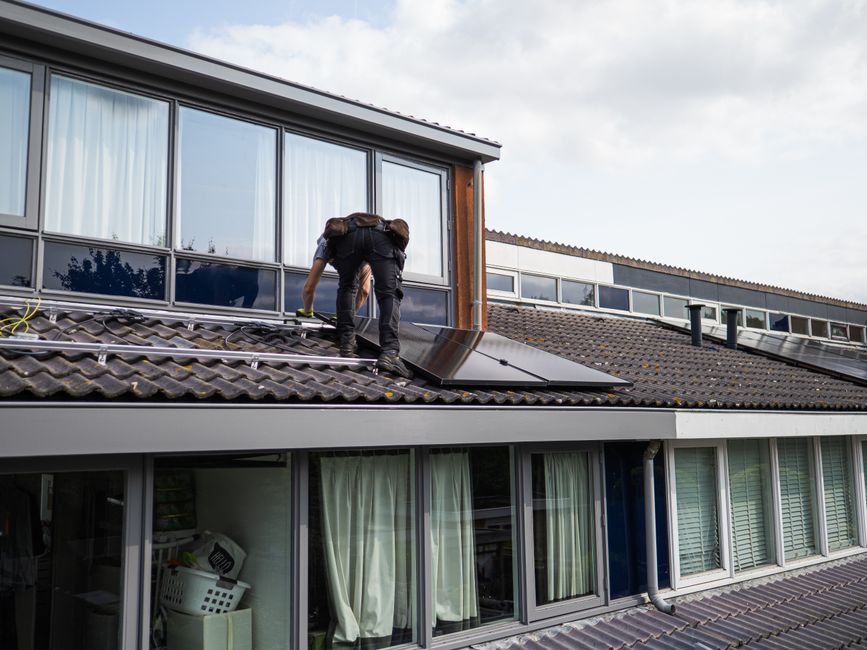
How efficiency improvements work
An energy-efficient upgrade reduces the amount of energy a home needs to provide a service, such as heating a bedroom, cooling an upstairs room, or heating water. The strongest results come from treating the house as a system. Air leaks, insulation, windows, ducts, equipment, and thermostat settings affect one another, so replacing a furnace without checking the ducts and building envelope can leave the original comfort problem unresolved.
A practical project often begins with a walkthrough of the attic, basement or crawlspace, exterior doors, HVAC equipment, and rooms with uneven temperatures. An energy audit may use a blower door to identify air leakage and an infrared camera to help locate temperature differences. Those findings guide choices such as sealing attic penetrations, adding insulation, repairing duct leaks, or servicing the HVAC system.
The goal is to match the work to the cause, not to install every available upgrade.
According to the EPA’s What You Can Do About Climate Change: Energy, energy efficiency reduces energy bills by lowering energy use, making it more affordable for families and businesses. The amount an individual household saves depends on its starting condition, energy use, local rates, and the improvements completed.
Comfort, performance, and resale considerations
A home with fewer drafts and properly functioning heating and cooling equipment is easier to keep comfortable across rooms and seasons. Sealing a leaky attic hatch, insulating accessible hot-water pipes, or correcting a duct connection can address a specific performance issue without requiring a full renovation. During a remodel, it is also a good time to inspect insulation and air leakage before drywall or finished surfaces conceal the framing.
According to ENERGY STAR’s Energy Efficiency page, ENERGY STAR-certified homes are at least 10% more energy efficient than homes built to code and achieve a 20% improvement on average while providing homeowners with better quality, performance, and comfort. For certified homes, that is a program-level comparison, not a guarantee that any single upgrade will produce the same outcome.
Energy improvements can also be part of a broader maintenance plan. If an HVAC system is included, review its filter, airflow, outdoor unit clearance, and service history. Our guide to maintaining your HVAC system for optimal performance covers routine care that helps equipment operate as intended.
What changes the results, timing, and cost

The home’s starting condition matters
A newer home with good insulation will have different priorities from an older home with gaps around plumbing penetrations, uninsulated attic space, or aging mechanical equipment. Climate also matters. In a cold region, attic insulation and air sealing may be high priorities; in a hot, humid climate, solar heat gain, duct leakage, and moisture control can shape the plan.
The age and construction of the home, fuel type, utility rates, and household schedule all affect which work is worthwhile.
According to the EPA’s State Energy Efficiency Benefits and Opportunities, improving energy efficiency is one of the most constructive and cost–effective ways to address the challenges of high energy prices, energy security and independence, air pollution, and global climate change. That broad benefit does not tell a homeowner which project has the best return in a particular house, so begin with an assessment of the actual building conditions.
Scope, sequencing, and installation quality
Costs depend on access, labor, material choices, equipment, and any repairs needed before efficiency work can proceed. For example, wet or damaged attic insulation should not simply be covered with new material. A contractor needs to identify and correct the moisture source first. Similarly, replacing HVAC equipment may require duct repairs, electrical work, condensate drainage changes, or adjustments to venting, depending on the existing system and the proposed equipment.
Sequence affects both cost and disruption. Air sealing and insulation are often easier to complete before interior painting or a major remodel closes up wall and ceiling access. If new heating and cooling equipment is planned, check duct condition and system sizing as part of the scope, rather than treating the equipment purchase as a stand-alone decision.
Read about the benefits of energy-efficient HVAC systems when comparing improvements to heating and cooling equipment.
The Department of Energy says households eligible to participate in the Weatherization Assistance Program save on average $372 or more per year, according to its Home Upgrades information. That figure applies to eligible households in that program and should not be used as a forecast for every home or project.
Pro Tip: Before adding attic insulation, ask that the scope identify air leaks, ventilation needs, and any signs of roof or plumbing moisture. Insulation does not fix a leak, and covering damp materials can create a more expensive repair.
Incentives and project timing
Rebates and assistance programs have eligibility rules, application steps, and available funds that can change. The EPA announced the launch of two new ENERGY STAR resources to help households across America take advantage of Inflation Reduction Act incentives for energy-saving home upgrades, according to its announcement about those resources. Check current program terms before you sign a contract or buy equipment, and confirm whether documentation or a particular product is required.
A checklist before starting an efficiency project
Gather the information that shapes the scope
Use this checklist to turn a general goal, such as a lower bill or a more comfortable bedroom, into work a contractor can assess. Good preparation helps keep the proposal focused on the cause of the problem.
- Record the symptoms: Note which rooms feel too hot or cold, when drafts occur, and whether the issue changes with wind, outdoor temperature, or HVAC operation.
- Collect utility bills: Bring recent bills or account usage records, if available. A pattern of higher use can help set a baseline, though weather and household occupancy also affect consumption.
- List equipment details: Photograph HVAC and water-heater nameplates, note model information, and gather service or repair records. Do not remove access panels or handle wiring to find labels.
- Check visible areas safely: Look for gaps around doors, attic hatches, plumbing penetrations, and accessible duct joints. Do not enter an unsafe attic or disturb suspected asbestos-containing materials.
- Identify moisture first: Photograph stains, condensation, or damp insulation and note when they appear. Roof leaks, plumbing leaks, and ventilation problems should be resolved before affected materials are sealed or covered.
- Set the project boundary: Decide whether the request is for an assessment, a specific repair, or a larger renovation. For rental properties, coordinate access and document which units have the same issue.
- Ask for a written scope: The proposal should state the work area, materials or equipment, preparation, cleanup, exclusions, and how the completed work will be checked.
- Confirm licensing and safety needs: Ask which trade will perform each part of the work and whether local permits, electrical changes, or equipment venting requirements apply.
The Department of Energy explains that weatherization measures such as sealing leaks and improving insulation are typically the lowest cost means of achieving a 20% savings threshold for rebate qualification, in its guidance on maximizing home energy performance with rebates. That statement concerns rebate qualification, not a guaranteed bill reduction for every household.
Pro Tip: Keep a simple room-by-room record of comfort complaints and the dates you change filters or schedule HVAC service. It gives the contractor a clearer starting point than a general report that the house feels inefficient.
Our perspective on choosing upgrades
Fix the cause before buying new equipment
We recommend starting with the building conditions and the homeowner’s actual problem. If a family says the upstairs is uncomfortable, the first question is not automatically which air conditioner to buy. The issue could involve duct leakage, inadequate airflow, insulation, equipment sizing, or more than one factor. A focused inspection helps separate those possibilities and puts the budget toward work that addresses them.
We also avoid treating the highest-rated product as the right answer by itself. An efficient HVAC unit installed with poorly matched ducts or incorrect airflow can disappoint. A new window may be a poor first investment if the main heat loss is through an uninsulated attic. Correct installation and suitable sizing matter alongside product selection.
Our nationwide network of licensed professionals supports a range of residential repair and improvement needs, but the right scope still depends on the house and local requirements. We would rather see a proposal explain what is being corrected, what is not included, and how the work relates to the comfort or energy concern. That clarity is especially useful for first-time homeowners balancing upgrades with repairs, and for property managers planning similar work across multiple units.
When to bring in a home improvement professional
Know when an assessment is needed
Bring in a qualified specialist when the project involves HVAC replacement, electrical changes, gas or combustion equipment, roof or plumbing leaks, extensive insulation, or signs of moisture or unsafe materials. A professional assessment is also useful when bills remain high despite basic maintenance, rooms have persistent temperature differences, or an older system needs frequent repairs.
Seniors and households with limited mobility should arrange safe access rather than attempting attic, roof, or electrical inspections themselves.
Before the first conversation, gather utility records, equipment photographs, repair history, and a list of rooms or systems affected. A good provider should explain the likely sources of energy loss, the proposed work sequence, what testing or measurements will be used, required permits, and what the quote excludes. For electrical concerns, see our guide to signs that you need electrical upgrades.
A provider should also explain when an upgrade is not the right first move. If a roof leak, plumbing leak, or unsafe wiring is present, address that repair before adding insulation or installing new equipment that could conceal the problem.
Frequently asked questions
What is the most valuable energy-efficient upgrade for an older home?
There is no single best upgrade for every older home. Start by identifying the largest source of wasted energy or the comfort problem that matters most. A drafty house may need air sealing and insulation; a home with an aging, poorly performing heating and cooling system may need an HVAC assessment.
Check for roof or plumbing moisture before covering walls or attic areas, and compare proposed work with the condition of the existing equipment and ducts.
Do energy-efficient upgrades always lower utility bills?
An upgrade that reduces energy use can lower energy costs, but the bill impact varies with the home’s starting condition, local utility rates, weather, household occupancy, and how equipment is operated. A new system may also improve comfort without producing the same bill change in every household. Ask for the assumptions behind any savings estimate, including what usage baseline is being used and which improvements are included. Treat a projected result as an estimate, not a guarantee.
Should I replace windows before improving insulation?
Not automatically. If windows are damaged, difficult to operate, or visibly leaky, repair or replacement may be justified. But first check the attic, exterior doors, and accessible air leaks, since those areas can be more direct sources of drafts.
Window replacement is a larger project that can involve trim, flashing, and interior finishes. Compare the cost and scope against other identified problems instead of assuming windows are the first or only solution.
Can I combine energy upgrades with a renovation?
Yes. A renovation can create convenient access to areas that are difficult to change after walls, ceilings, or floors are finished. Before drywall installation, discuss air sealing, insulation, duct routing, and any planned electrical or HVAC work.
Coordinate trades so that wiring, plumbing, and ventilation are not blocked by insulation or finished surfaces. A written scope should identify which contractor handles each task and when inspections or testing will take place.
How Servezio helps plan home energy improvements
Connect the upgrade to the right trade
Energy improvements often cross trade boundaries. Air sealing and insulation can be part of a larger renovation, HVAC work may require attention to electrical connections, and roof or plumbing repairs should come before insulating affected areas. SERVEZIO Home Services connects homeowners with a nationwide network of licensed professionals for residential projects, helping homeowners identify a service path that fits the work rather than treating every concern as an equipment purchase.
Relevant services include:
- HVAC repair, maintenance, and installation: For system performance, servicing, and equipment replacement needs.
- Electrical services and safety upgrades: For electrical issues connected to equipment changes or an older system.
- Roofing, gutters, and exterior repairs: To address exterior water entry before affected areas are enclosed.
- Plumbing repairs and installations: To resolve leaks or hot-water system concerns that affect an efficiency project.
- Handyman and preventive home maintenance: For appropriate home maintenance tasks that support a broader improvement plan.
Ready to plan the right work for your home? Connect with SERVEZIO Home Services.
Conclusion
Start with the source of the waste
The most useful benefits energy-efficient upgrades provide come from matching the work to the home’s actual needs. Better comfort, lower energy use, improved system performance, and potential resale appeal are all relevant, but no single project guarantees every result. Begin by recording the problem, checking for water or safety issues, and gathering equipment and utility information.
Then compare a clear assessment and written scope before committing to major work. That first step helps prevent spending on a visible upgrade while the underlying source of wasted energy remains untouched.
Sources
- EPA: What You Can Do About Climate Change — Energy
- EPA: State Energy Efficiency Benefits and Opportunities
- ENERGY STAR: Energy Efficiency
- ENERGY STAR: ENERGY STAR Products and Benefits
- EPA: U.S. EPA’s ENERGY STAR Program Launches New Resources to Help Americans Make Energy Efficient Home Improvements
- Home Upgrades | Department of Energy
- Maximizing Home Energy Performance When Using Home Energy Rebates | Department of Energy
- Energy Efficiency Home Upgrade Assistance | ENERGY STAR
