
How to Maintain Your HVAC System for Peak Performance
November 12, 2026How to Choose the Best Roofing Material for Your Home
November 13, 2026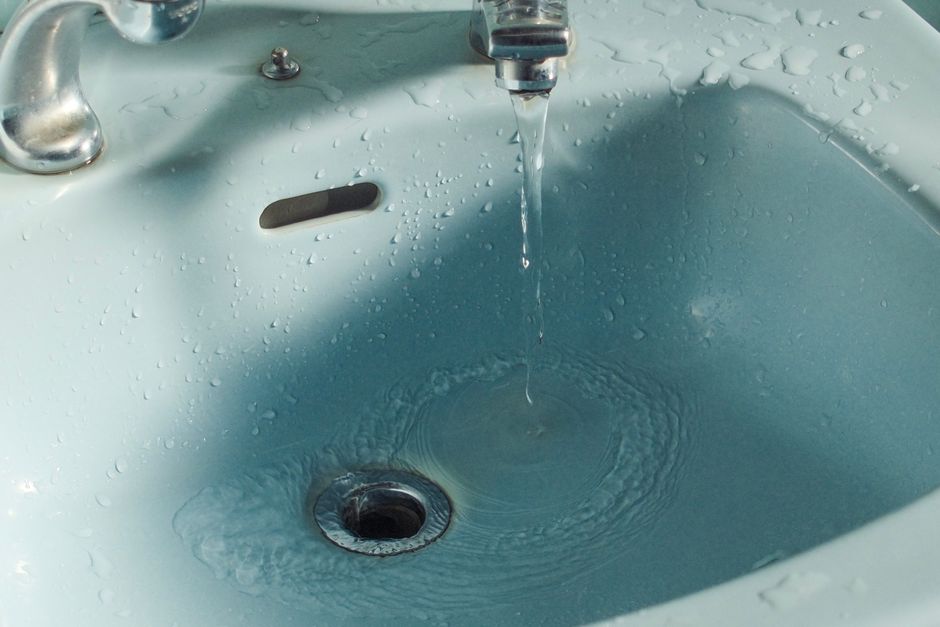
If your plumbing is backed up, stop using water in the affected area, prevent an overflowing fixture from running, and identify whether one drain or several are affected. A single slow sink often points to a local clog, while wastewater backing up through several fixtures can signal a blockage farther along the drain or sewer line.
For a first-time homeowner, the immediate worry is often damage to new flooring or cabinets; for a busy household, it is getting bathrooms and laundry back in service. Take a moment to note where the backup started and what changed before it happened. Those details help you choose safe next steps and explain the problem clearly if you call for service.
Key takeaways
Stop adding water, check how many fixtures are affected, and keep people away from wastewater while you arrange the right next step.
Plumbing backed up, what to do first
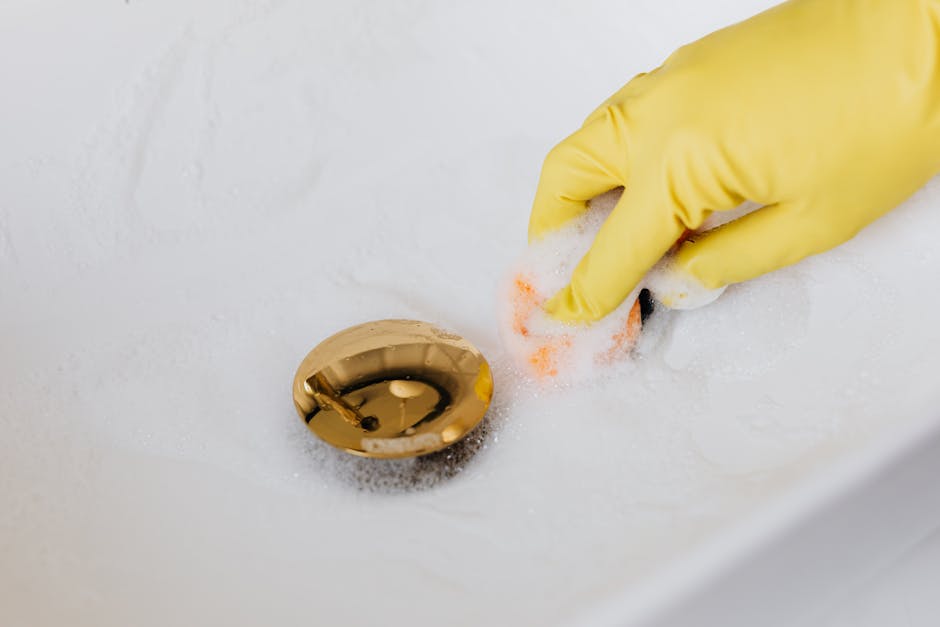
A plumbing backup is wastewater or used water that cannot flow through a drain as intended and returns through a fixture, floor drain, or other low opening. The first job is not to force the water down. It is to limit new water entering the system, protect people from contact, and work out whether the blockage is local or affects the home’s main drain.
Start with the affected fixtures
Look at the pattern before reaching for a tool. If one bathroom sink is slow but the toilet and shower drain normally, the obstruction may be in that sink’s trap or branch drain. If flushing a toilet makes a tub or floor drain bubble, or several fixtures stop draining, suspect a shared drain line and stop using water across the home.
- Stop water use: Tell everyone in the home not to run faucets, flush toilets, use the dishwasher, or start laundry until you understand the extent of the backup. This is especially useful in a busy home where a second person may otherwise run water without knowing there is a problem.
- Prevent an overflow: If a toilet is filling, close its fixture shutoff valve if you can reach it safely. Do not flush again. For a sink or tub, stop the faucet and keep the area clear while you assess the water level.
- Keep people away: Treat sewage or visibly contaminated water as unsafe to touch. Keep children and pets out of the area, and avoid contact with electrical cords or equipment near standing water.
- Check the pattern: Note which fixtures are affected, whether water is rising or receding, and whether you hear gurgling. Don’t remove a cleanout cap or disassemble drain fittings while wastewater is pressing against them.
- Choose a safe next step: A small, isolated sink clog may be suitable for careful plunging. Multiple affected fixtures, a floor drain backup, or recurring wastewater calls for a plumbing assessment instead of repeated DIY attempts.
For a single fixture, a correctly sized plunger can sometimes clear a nearby obstruction. Make sure there is enough water to cover the plunger cup, create a seal, and use controlled strokes. Stop if the water rises, the fixture leaks, or another drain reacts.
Chemical drain cleaners are a poor first response to a serious backup: they do not establish where the blockage is, and caustic liquid can remain in the fixture or pipe when someone later opens it.
Our guide to maintaining your home’s plumbing system covers routine habits that help homeowners spot developing drain problems before they become urgent.
Need help with an active backup? Contact our home services team to discuss the affected fixtures and next steps.
What changes the repair, timing, and cost
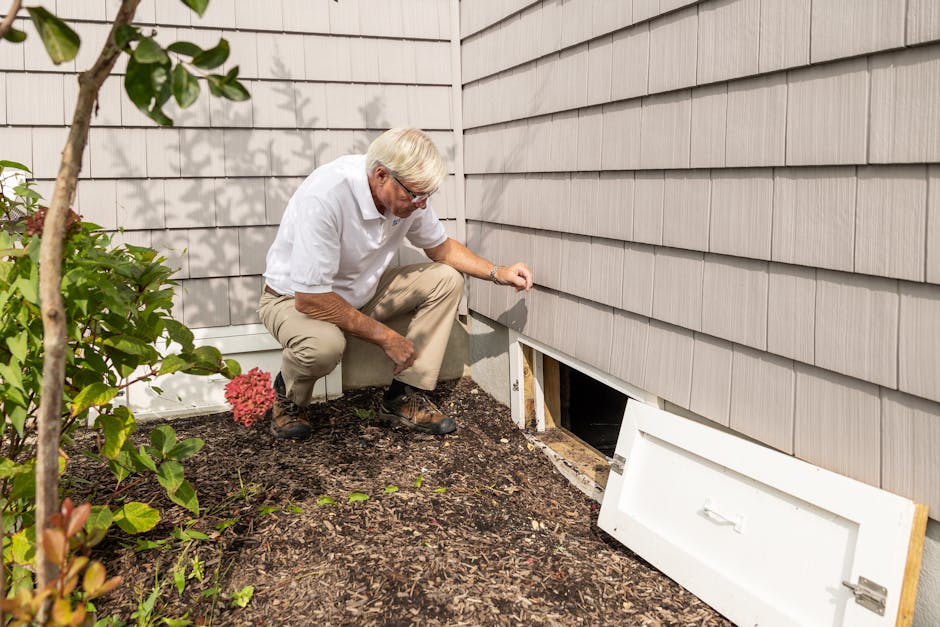
A plumbing backup does not identify its own cause. A plumber needs to locate the obstruction and determine whether the issue is in a fixture trap, a branch drain, the home’s main drain, or a connection serving the property. The repair approach, time on site, and cost depend on that diagnosis, access to the pipe, and whether there is water damage to address.
The cause and access matter
A soft blockage close to a sink may respond to clearing the trap or using a drain tool. Grease, hair, wipes, or other material farther down the line may require different equipment and access. A technician may inspect a cleanout or use a drain camera when the cause or location is unclear; clearing a line without finding the reason for recurring trouble can leave the underlying problem unresolved.
The route to the pipe also matters. A blockage reached through an accessible cleanout is different from one that requires opening a finished wall, lifting flooring, or coordinating access to a shared building drain. For a property manager, documenting which unit and fixtures are affected helps distinguish a unit-level problem from an issue in common plumbing.
In a condo or apartment, notify the property manager promptly so the right person can coordinate access and building procedures.
Urgency and cleanup affect the scope
An actively overflowing toilet, wastewater on the floor, or a backup affecting multiple fixtures deserves faster attention than one slow sink that is not worsening. A plumber’s drain-clearing work is also separate from repairing damaged drywall, flooring, cabinetry, or baseboards. If water has reached electrical outlets or appliances, keep clear of the area and report that hazard when arranging service.
Septic-system homes need a different assessment from homes connected to a municipal sewer. According to the CDC’s Guidelines for Septic and Onsite Wastewater Systems, a well-maintained and constructed septic system will better withstand the stresses of heavy rains or flooding. If the backup follows heavy rain or affects several drains, reduce water use and describe the septic setup when requesting help.
Pro Tip: Take a photo of the affected fixture and note the time the backup began, what water was being used, and whether other drains changed. That record helps the technician assess the pattern without you running water again to recreate it.
The costs associated with plumbing repairs vary with the cause, access, repair scope, and any separate restoration needed. Ask for an explanation of the proposed work and what it includes before authorizing it. A clear estimate should distinguish diagnosis and drain clearing from repairs to damaged materials or follow-up work.
A checklist before you try to clear a drain
A short check helps avoid turning a contained clog into a larger spill. Use this list before plunging, removing a trap, or calling for service. If wastewater is already spreading, skip DIY troubleshooting and focus on keeping people away and stopping water use.
- Identify every affected fixture: Check only visually. Record whether the toilet, tub, shower, sink, laundry drain, or floor drain is slow or backing up, and avoid testing fixtures by running water.
- Stop appliances that discharge water: Pause the dishwasher and washing machine. A drain problem can worsen if a cycle pumps more water into a line that is already backing up.
- Close the toilet valve if needed: Turn the small shutoff valve beside the toilet clockwise if the bowl is close to overflowing and the valve turns without force. If it is stuck or leaking, leave it alone and tell the plumber.
- Keep the area safe: Block off wet areas from children and pets. Do not step into standing water near electrical equipment, and do not touch a plug or switch from a wet floor.
- Avoid mixing drain products: Do not pour a second cleaner into a drain after using another product. Tell the service provider exactly what was poured in, since that affects safe handling.
- Skip risky pipe disassembly: Do not open a drain cleanout or remove a trap when there is standing wastewater, active pressure, or uncertainty about how the pipe is connected.
- Gather useful details: Write down the first fixture affected, how quickly the problem changed, recent plumbing work, and whether the property uses a septic system or shared building plumbing.
- Protect belongings without spreading contamination: Move dry items away from the affected area if you can do so without stepping through wastewater. Leave cleanup of contaminated materials until the source and safe handling plan are clear.
Pro Tip: If a home has more than one bathroom, keep everyone on the unaffected side of the house from using water until you know whether the problem is isolated. A single unplanned flush can add water to a line that is already backing up.
Our perspective on a plumbing backup
We recommend treating a backup as a plumbing problem to diagnose, not a reason to immediately pour chemicals into every drain. A drain that is slow in one fixture and a main-line backup affecting several fixtures are different situations. The pattern is useful evidence, and preserving it by stopping water use helps the service professional understand what is happening.
We would avoid repeatedly flushing a toilet, running a washing machine to “test” the drain, or pushing a hand tool into a pipe without knowing where the blockage sits. Those attempts can add water, damage a fixture, or make a spill harder to manage. For a first-time homeowner, taking photos and writing down the sequence is more useful than guessing at a hidden pipe problem.
For a senior who needs help, asking a trusted person to stay nearby while the area is isolated can make access and communication easier.
Our nationwide network connects homeowners with licensed professionals for plumbing repairs and installations. We believe the first conversation should cover which fixtures are affected, whether wastewater is present, and what the home’s plumbing system serves. That keeps the focus on the actual problem rather than an assumed cause.
When to bring in a plumbing professional
Call a plumbing professional if multiple fixtures are backing up, wastewater is returning through a floor drain, a toilet is repeatedly overflowing, or the problem returns after a limited attempt to clear one isolated fixture. These signs point beyond a simple surface obstruction or require tools and access that are not appropriate for a homeowner to improvise. A recurring backup also needs diagnosis, not just another round of plunging.
Before the first conversation, gather the affected-fixture list, photos, the time the issue started, and notes about any water use immediately before it appeared. Mention whether the property has a septic system, shared building plumbing, or recent drain work. If you manage several units, identify the unit numbers and whether neighbors or shared areas report similar symptoms.
A good provider should explain what they plan to inspect, how they will access the drain, and what the proposed clearing or repair includes. Ask whether the work addresses the blockage only or also investigates a repeated problem. You can use our page on plumbing contractors near you to learn more about finding plumbing help for your home.
FAQ
Should I keep using water if one drain is backed up?
No. Stop using water in the affected area until you know whether the blockage is limited to that fixture. If several drains are slow, gurgling, or backing up, stop water use across the home, including laundry and dishwashing. Additional water can increase the amount that returns through a low drain or overflowing fixture. Do not run water just to see whether the line has cleared.
Is a backed-up toilet always a main sewer-line problem?
No. A toilet can be blocked at the fixture or in a nearby branch drain, while a main drain problem often affects more than one fixture. Look for other signs, such as a tub bubbling when the toilet is flushed or several drains slowing at once. Avoid flushing repeatedly to test it.
If wastewater appears at another fixture or the toilet keeps backing up, stop using water and arrange an assessment.
Can I use a plunger or drain cleaner to fix a plumbing backup?
A plunger is reasonable for a minor, isolated clog when the water level is stable and no other fixtures are affected. Use a toilet plunger for a toilet and a cup plunger for a sink or tub, creating a seal before applying controlled strokes. Stop if water rises or another drain reacts.
Drain cleaner is not a reliable way to diagnose a widespread backup, and chemicals left in a pipe can create a handling hazard during service.
What should I do if sewage is coming up through a floor drain?
Stop using water throughout the home, keep people and pets out of the affected area, and arrange prompt plumbing help. Do not remove a cleanout cap or try to push wastewater back down with a tool. Keep clear of electrical equipment near standing water, and report any water near outlets or appliances.
Take a photo from a safe location and note which fixtures were used shortly before the floor drain backed up.
Could heavy rain cause a septic plumbing backup?
Heavy rain or flooding can put stress on onsite wastewater systems, but a backup still needs an assessment to identify the cause. Reduce water use, avoid opening or entering septic components, and describe the timing and affected fixtures when arranging service. According to the CDC’s septic-system guidance, a well-maintained and constructed septic system will better withstand the stresses of heavy rains or flooding. That statement does not establish the condition of a particular system.
How Servezio helps with plumbing backups
SERVEZIO Home Services connects homeowners across the country with a network of licensed professionals for home improvement and repair needs. When a plumbing backup disrupts a kitchen, bathroom, or rental unit, the first useful step is sharing clear details: where water is returning, how many fixtures are affected, and whether the home uses septic or shared plumbing.
The right service depends on the cause and property setup, so the initial conversation should focus on diagnosis rather than assuming every backup needs the same repair.
Our relevant services include:
- Plumbing Repairs & Installations: Help for plumbing issues that require repair, installation, or assessment of a drain problem.
- Handyman & Preventive Home Maintenance: Support for appropriate home maintenance needs after the plumbing issue has been identified.
If a backup is interrupting your home, get in touch with Servezio and tell us what is affected so we can help you take the next step.
Conclusion: plumbing backed up what to do next
The most important next step is to stop adding water and identify whether the backup affects one fixture or several. That simple distinction helps separate a possible local clog from a drain problem that needs prompt professional diagnosis. Keep people away from wastewater, avoid repeated flushing and chemical treatments, and do not open a pressurized or contaminated drain line yourself.
Write down the affected fixtures, take a safe photo, and note whether the property uses septic or shared plumbing. If water is returning through multiple drains, a floor drain, or an overflowing toilet, arrange plumbing help rather than continuing DIY attempts. A clear description of the symptoms gives the provider a practical starting point and helps protect the home while the cause is assessed.
Related reading
- How to maintain your HVAC system for optimal performance?
- What are common mistakes to avoid when hiring a handyman?
