
Benefits of Energy-Efficient Home Upgrades | Servezio
November 14, 2026AC Not Cooling? What to Do | Servezio
November 15, 2026
To prepare your home for winter maintenance, inspect the roof, gutters, heating system, plumbing, and safety devices before freezing weather arrives. A careful check helps first-time homeowners catch small repair needs, while busy families and property managers can plan service before a breakdown disrupts daily routines. Start with the parts of the home most exposed to cold or water, then work indoors.
The right tasks vary by climate, building age, and equipment, so use this checklist to identify what needs attention rather than assuming every home needs the same repairs. For homeowners with mobility or safety concerns, arrange help for ladder work and heavy equipment checks.
Key takeaways
Prioritize water protection, safe heat, and clear access, then address repairs that need qualified tradespeople before weather limits the work.
A quick decision guide
A practical checklist to prepare home winter maintenance
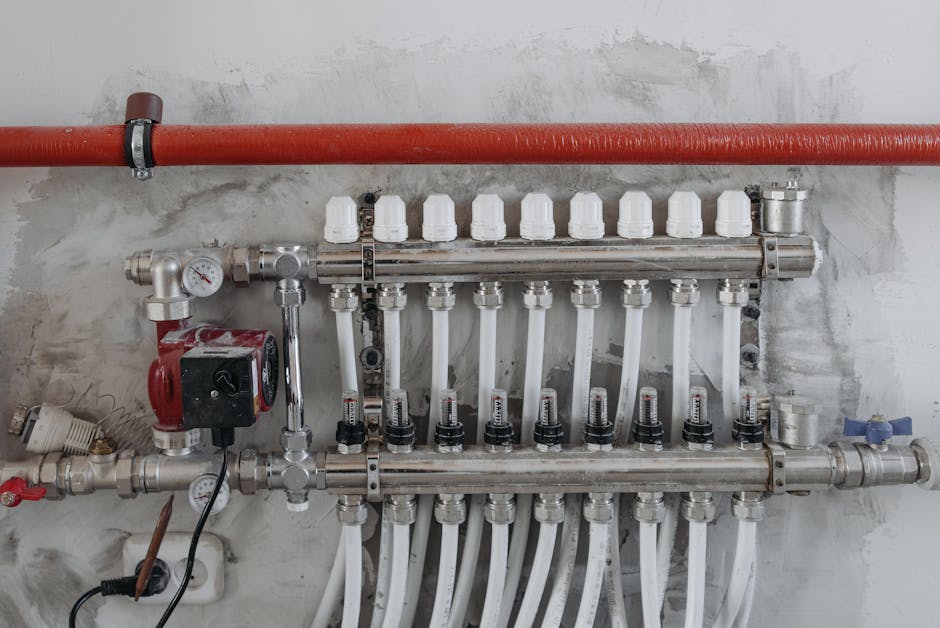
Start with a home-specific inspection
Winter maintenance is a set of inspections and repairs that reduce cold-weather risks to a home’s roof, plumbing, heating, and safety systems. It is not a guarantee against storm damage or equipment failure. The useful first step is to record what your home has, where it is, and what needs a closer look.
Walk the exterior from the ground. Note missing or lifted shingles, sagging gutters, loose downspouts, cracked caulk around window trim, and branches that touch the roof. Do not climb a ladder to inspect a steep, icy, or unstable surface. A photo taken from the ground can help explain a concern when arranging service.
Inside, locate the main water shutoff, electrical panel, thermostat, furnace filter, and any accessible plumbing near exterior walls. If you recently bought the home, check the inspection report and equipment labels for age, service history, and filter size. A property manager can keep the same notes for each unit, which makes recurring maintenance easier to schedule.
Make a short list by urgency, not by room. Active leaks, a heating system that will not run, exposed pipes in an unheated area, and a damaged roof need prompt attention. Cosmetic work, such as repainting a room, usually does not take priority over preventing water entry or restoring safe heat.
According to the CDC’s winter storm preparation guidance, winter storms can bring cold temperatures, power failures, loss of communication services, and icy roads. Those conditions make it sensible to identify critical home systems and repair needs before a storm complicates access or service scheduling.
Gather information before booking work
Keep the equipment model numbers, photos, and a clear description of the issue together. For example, “the upstairs bedroom stays colder than the rest of the house” gives an HVAC technician a more useful starting point than “the heat is bad.” Note when the problem occurs and whether it affects one room or the whole home.
- For a first home: Find warranty documents, prior inspection notes, and instructions for shutoff valves and appliances.
- For a busy household: Choose a service window when someone can provide access to the furnace, attic hatch, basement, or crawl space.
- For a rental property: Record unit numbers, tenant-reported symptoms, access instructions, and any existing maintenance history.
- For older adults: Plan ladder, attic, and basement checks with a capable helper rather than taking a fall risk to complete the checklist alone.
The step-by-step winter preparation playbook

Work from the exterior inward
- Check the roof from a safe location: Use binoculars or ground-level photos to look for missing shingles, lifted edges, damaged flashing, and visible debris. A roof leak or loose material deserves a qualified inspection, especially before a period of rain or snow.
- Clear and inspect gutters: Remove leaves and sediment only when the gutter is safely reachable, then check that downspouts direct water away from the foundation. If a gutter is loose, bent, or above a difficult roofline, do not lean a ladder against it or attempt a repair from an unstable position.
- Close gaps around exterior openings: Inspect weatherstripping at doors and caulk around window trim for visible gaps or separation. Replace failed material with a product suited to the surface and exterior conditions. Do not seal intentional drainage openings or cover vents that are part of the home’s ventilation system.
- Protect plumbing in cold areas: Look for water lines in garages, crawl spaces, basements, and cabinets against exterior walls. Repair dripping faucets and have damaged or exposed pipe insulation assessed. Know the main shutoff location before a freeze, and keep stored items from blocking access to it.
- Prepare heating equipment for regular use: Check the filter size and condition, replace a dirty disposable filter with the correct type, and make sure supply and return grilles are not blocked by furniture or rugs. Schedule a service inspection if the system has not been operating normally or has an unresolved maintenance issue.
- Test safety alarms: Press the test button on smoke and carbon monoxide alarms and confirm that each device responds. According to the EPA’s winter weather and indoor air quality guidance, test smoke and CO alarms monthly and replace batteries in alarms at least once each year, unless the alarms have sealed 10-year batteries.
- Check exterior drainage and entry points: Confirm that downspout extensions, yard drains, and window wells are not visibly obstructed. Water should not be directed toward a foundation or allowed to collect at an entry. If grading or drainage problems persist, photograph the area after rainfall so the issue is easier to explain.
- Record what remains unfinished: Note the repair, its location, any symptoms, and the date you noticed it. Group related tasks, such as a gutter repair and roof inspection, when arranging appointments, but keep emergency leaks or loss of heat at the top of the list.
Pro Tip: Write the furnace filter size on the filter cabinet or in your home maintenance notes after checking the existing filter. That small detail prevents a rushed purchase of the wrong size when the system needs a replacement.
Avoid common shortcuts
- Using an open flame to find drafts: A candle near curtains, insulation, or a gas appliance creates a fire risk. Check for visible gaps and use appropriate weatherstripping instead.
- Closing every vent to redirect heat: Blocking supply or return grilles can interfere with airflow. If rooms heat unevenly, note which rooms are affected and have the system assessed.
- Ignoring a small ceiling stain: A stain can indicate an active or previous leak. Check whether it changes after rain and have the roof or plumbing source identified rather than painting over it.
- Treating every home alike: A home with a crawl space, a hydronic heating system, or a flat roof has different maintenance needs from a home with a basement, forced-air furnace, and pitched roof.
Signs the preparation is working, and when to act
Look for changes you can verify
A successful winter check leaves you with clear, working access to essential controls and fewer unknowns about the home’s condition. You should be able to locate the water shutoff, see that alarms respond to their test buttons, identify the correct HVAC filter, and describe any roof, gutter, or plumbing concern precisely.
After the heating system runs, notice whether the thermostat reaches its set temperature, whether air comes through the registers, and whether new sounds or odors appear. A dirty filter is a maintenance issue; repeated short cycling, a burning smell, or no heat is not something to solve by repeatedly resetting the equipment. Turn to a qualified HVAC provider for diagnosis.
Check ceilings, under-sink cabinets, and visible pipe connections for new dampness. A water stain that grows, a pipe that drips, or a drain that backs up signals a repair issue, not a cosmetic task. Servezio’s guide to maintaining your home’s plumbing system covers useful routine checks, while a backup needs more immediate attention.
For the roof, look again after heavy weather from a safe spot. New shingle pieces on the ground, water in the attic, or a ceiling stain after rainfall are reasons to stop and arrange an inspection. If water is entering the home, protect belongings only when it is safe to do so and avoid entering a wet area near electrical equipment.
Pro Tip: Take a dated photo of a ceiling mark, gutter defect, or exterior gap before repair. Comparing it with a later photo helps establish whether the condition is changing, and gives the repair provider a useful reference.
Know when a DIY check has reached its limit
Homeowners can safely do visual checks, replace an accessible filter, and test alarms according to their instructions. Roof access, electrical panel work, gas equipment repairs, refrigerant work, and repairs inside walls require the right training, tools, and safety procedures. Stop if a task involves unstable access, exposed wiring, gas odor, or a system you cannot identify.
Our perspective on winter home prep
Fix the risk, not just the symptom
We recommend treating winter preparation as a way to find and prioritize repair needs, not as a promise that every winter problem can be prevented. A roof stain, cold bedroom, or dripping pipe is a clue to investigate. Painting over a stain, closing vents, or wrapping a pipe without finding the source of a leak can leave the underlying issue untouched.
We would put water entry, heat reliability, plumbing exposure, and alarm function ahead of appearance projects. That order is practical for homeowners managing a new mortgage, families with limited time, and property managers coordinating several homes. The best sequence still varies by the building’s condition and local weather, so a checklist should guide inspection rather than replace it.
Our nationwide network connects homeowners with licensed professionals for home improvement and repair work. That is useful when a concern needs a trade-specific diagnosis, but it does not mean every task requires a service visit. A visible, accessible filter change is different from diagnosing a furnace that repeatedly shuts down or tracing moisture behind a wall.
We also advise against waiting for the first severe cold snap to arrange non-emergency work. If you notice a roof defect, unreliable heat, or exposed plumbing during an earlier inspection, describe the issue clearly and schedule the appropriate repair before it becomes urgent. For an active leak, loss of heat in dangerous conditions, or an electrical safety concern, use an appropriate emergency service rather than treating it as seasonal upkeep.
When to bring in a professional
Match the issue to the right trade
Arrange a qualified inspection for roof damage, recurring water intrusion, a heating system that does not operate correctly, plumbing that leaks or freezes, or electrical components that show damage. A roofer can assess shingles, flashing, and the source of a leak. An HVAC technician can evaluate equipment operation and airflow. A plumber can locate a leak and advise on pipe protection. Electrical concerns belong with an electrician.
Before the first conversation, gather the address, access details, photos, equipment labels, symptoms, and any past repair notes. Tell the provider whether the issue is active, when it began, what areas are affected, and whether you have shut off water or power for safety. Property managers should include unit numbers and tenant access arrangements.
A good provider should explain what they plan to inspect, what evidence supports the proposed repair, and whether the work addresses the cause or only a visible symptom. Ask what is included in the estimate, what could change after opening an area, and whether permits or follow-up work apply. If the situation involves immediate danger, prioritize safety and emergency response over routine scheduling.
Winter maintenance questions homeowners ask
When should I start preparing my home for winter?
Start before temperatures regularly approach freezing in your area, leaving enough time to schedule repairs if the inspection reveals a problem. The timing varies across the country, and a high-elevation home or an older property with exposed plumbing may need attention earlier than a newer home in a milder region.
Do not wait for a forecast freeze to discover that the heating system will not run or that a roof leak is active. Begin with exterior drainage, visible roof conditions, plumbing locations, heating operation, and alarm tests. Then book trade work based on urgency and local weather.
What should I check first if I am a first-time homeowner?
Locate the main water shutoff, electrical panel, thermostat, furnace filter, and alarm devices before starting cosmetic projects. Read the home inspection report and equipment labels, then look for unresolved notes about roof age, plumbing leaks, heating performance, or electrical concerns. Write down anything you cannot identify.
A new homeowner does not need to diagnose every system alone. Visual inspection and good notes help you distinguish routine maintenance from a repair that needs a specialist. Ask the seller’s available documentation or your inspection records for service history, but verify a current concern rather than assuming an old repair solved it permanently.
How do I protect pipes from freezing?
First identify which pipes run through unheated spaces, exterior-wall cabinets, garages, crawl spaces, or basements. Check for existing insulation that is missing, wet, or damaged, and repair any drips before cold weather. Keep the main water shutoff clear so it is reachable if a pipe leaks.
The right protection varies with pipe location, building construction, and local conditions. Do not use an improvised heat source or cover a pipe with material that is not intended for the application. If a pipe has frozen, is leaking, or cannot be safely accessed, contact a plumber rather than applying heat with an open flame.
Should I clean my gutters before winter?
Yes, remove leaves and debris when the gutters are safely accessible, and check that downspouts are connected and directing water away from the foundation. A clogged outlet can leave water spilling near the house, while a loose gutter can pull away under the weight of debris or water.
Do not climb onto a roof or use a ladder on soft, icy, or uneven ground to reach a gutter. If the roofline is high, the gutter is damaged, or the downspout repeatedly clogs, arrange appropriate exterior repair. After the next rain, observe from the ground to see whether water flows through the system as intended.
How do I know whether my heating system needs service?
Arrange service if the system fails to start, does not maintain the thermostat setting, produces unusual sounds or odors, or has a recurring performance problem. A dirty filter or blocked grille can restrict airflow, but repeated shutdowns or poor heating across the home need diagnosis rather than repeated resets.
Keep the model information and a short record of symptoms, including when they occur and which rooms are affected. A technician should be able to explain the inspection findings and separate a routine maintenance item from a repair. For ongoing system care, review Servezio’s advice on maintaining your HVAC system.
What should I do if I find a roof leak before winter?
Treat active water entry as a repair priority. Move belongings away from the affected area if it is safe, place a container under a drip when practical, and keep clear of wet electrical fixtures or wiring. Do not climb onto a roof during rain, snow, or icy conditions to apply a temporary patch.
Record where water appears and when you noticed it, then arrange a roofing inspection to identify the entry point and needed repair. A ceiling stain does not always sit directly below the roof defect, so surface patching indoors may not resolve the source. Servezio’s guide on what to do if your roof is leaking explains immediate steps to consider.
How Servezio helps with winter home maintenance
Connect repairs with the right service
Winter preparation often reveals work across several parts of a home. Servezio connects American homeowners with a nationwide network of licensed professionals for repair and improvement projects, helping homeowners identify a relevant service instead of treating every issue as a general handyman task. The type of provider and the work needed depend on the problem and the property.
Relevant services include:
- HVAC repair and maintenance: For heating equipment concerns, seasonal service, and installation needs.
- Plumbing repairs and installations: For leaks, exposed pipes, and other plumbing repair needs.
- Roofing, gutters, and exterior repairs: For roof defects, water entry, and drainage components.
- Electrical services and safety upgrades: For electrical concerns that need a qualified assessment.
- Handyman and preventive maintenance: For appropriate home maintenance tasks that do not require a specialized trade.
Share the location of the issue, what you observed, and any equipment details when describing a project. We focus on helping homeowners access relevant services, not on promising that a checklist prevents every breakdown. Ready to plan the right repair for your home? Connect with Servezio about your winter maintenance needs.
Conclusion: take the first step before the freeze
Turn the inspection into a short action list
To prepare home winter maintenance effectively, start by locating your shutoffs and controls, then inspect the roof and drainage from a safe position, check visible plumbing, and run the heating system before you rely on it every day. Test alarms and record any defect that needs follow-up. That gives you a practical picture of your home’s condition without confusing a visual check with a professional diagnosis.
The most important next step is to address active leaks, unreliable heat, exposed pipes, and electrical safety concerns before focusing on cosmetic work. Make notes, take photos, and arrange the trade that fits the problem. Early, specific information helps you plan repairs more clearly and reduces last-minute scrambling when cold weather arrives.
