
How to Prepare Your Home for Winter Maintenance
November 15, 2026
If your air conditioner is running but not cooling, check the thermostat, air filter, supply vents, and outdoor unit, then turn it off and call an HVAC professional if you find ice, water, electrical trouble, or no improvement. These basic checks help distinguish a simple airflow problem from a mechanical fault without opening equipment or handling refrigerant.
For a first-time homeowner, a sudden loss of cooling can be hard to diagnose; for a busy household or a property manager, it can quickly affect several rooms or units. Start with safe observations, note what changed, and avoid repeated resets. The right next step depends on what the system is doing, not just how warm the house feels.
Key takeaways
Start with safe thermostat and airflow checks, and stop using the system if you see signs of ice, leaking, or electrical trouble.
AC not cooling: what to check and how the system works
Follow the cooling path, not just the thermostat
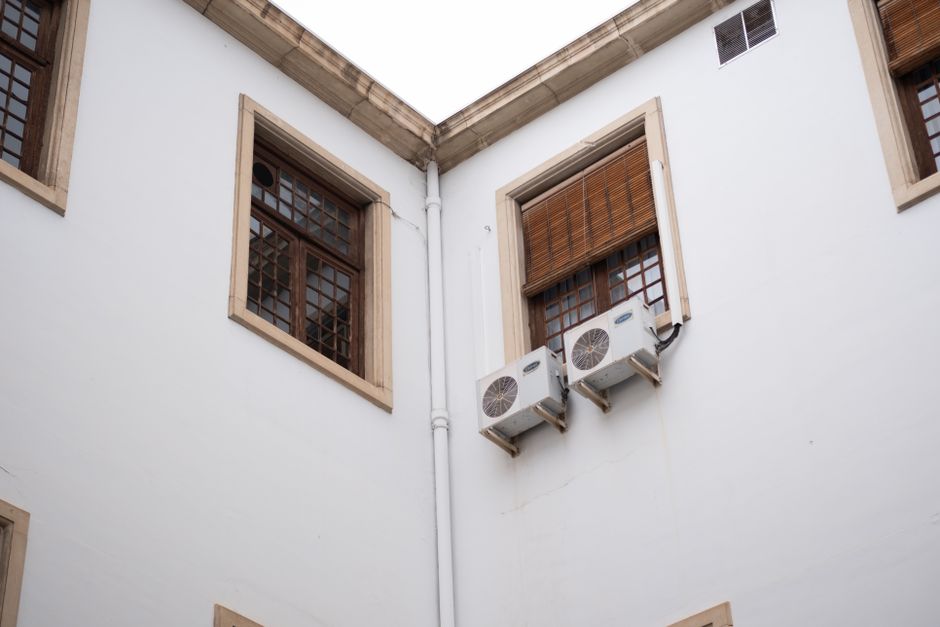
An air conditioner cools by moving heat from indoor air to the outdoors. The thermostat calls for cooling, the indoor blower moves air through the filter and coil, and the outdoor equipment releases heat. A problem with airflow, controls, drainage, or a mechanical component can interrupt that process. That is why AC troubleshooting starts with what you can observe, rather than assuming the unit needs refrigerant.
First, confirm the thermostat is set to Cool, not Fan or Heat, and that the set temperature is below the current room temperature. Check that the display is active and the schedule has not changed the setting. If the thermostat uses batteries, replace them if the display is dim or blank, following its instructions.
Next, check the filter. A filter packed with dust, pet hair, or renovation debris restricts airflow across the indoor coil. Replace a disposable filter with the correct size and airflow direction shown on its frame. If you have a washable filter, clean and dry it according to its instructions before putting it back. Do not run the system without a filter.
Walk through the rooms and make sure supply registers and return grilles are not covered by rugs, furniture, curtains, or storage boxes. A blocked return can affect airflow even when the supply vents look open. If only one room feels warm, compare its airflow with a nearby room and note whether the issue is limited to that area.
Look at the outdoor unit from a safe distance. Leaves, grass clippings, or stored items against the cabinet can restrict air movement. Remove loose debris around the outside only; do not remove panels, reach through the grille, or spray water into electrical components. These checks are part of routine HVAC maintenance, but they do not replace testing inside the equipment.
Know when to stop troubleshooting
If airflow is weak throughout the home, the filter is clean, and the thermostat is calling for cooling, the cause could be a blower, coil, control, or refrigerant-system problem. A homeowner cannot confirm refrigerant charge by looking at the unit. According to the EPA’s Homeowners and Consumers: Frequently Asked Questions, technicians often call this certification “Section 608 certification,” which refers to a portion of the Clean Air Act.
If you see frost or ice on the indoor equipment or refrigerant line, switch cooling off. If the thermostat has a Fan setting, running the fan alone can help move air while you wait, but stop if water is leaking or you notice an electrical or burning smell. Do not chip ice away or keep restarting the system.
If the simple checks do not resolve the issue, air conditioning service can identify the fault and the appropriate repair.
What affects the repair, timing, and cost

The symptom narrows the diagnosis
The same complaint, warm air from the vents, can come from different faults. A technician typically needs to verify the thermostat call, inspect the filter and airflow, and test system operation before recommending a repair. A problem with a control or a component is different from a restricted coil, blocked condensate drain, or refrigerant leak.
The parts and work required are not interchangeable, so a specific diagnosis matters more than a guess based on the symptom alone.
Weak airflow points attention toward the filter, return path, blower, or indoor coil. Normal airflow with air that is not cool points toward a different set of checks, including outdoor-unit operation and system controls. If the outdoor unit starts and stops, or the breaker trips, that behavior is useful diagnostic information. Avoid repeated attempts to restart it; cycling power can obscure the pattern and does not correct an underlying fault.
The repair timeline also depends on access and conditions. A system in a crowded attic or a tight mechanical closet takes different preparation than equipment with clear service access. A technician may need to let ice thaw before inspecting a coil, and parts availability affects how quickly a repair can be completed.
For a property manager, record which unit and rooms are affected so the service visit begins with useful details rather than guesswork.
Cost is tied to the diagnosed work
A clogged filter is an inexpensive maintenance item; a failed electrical component, blower problem, coil issue, or refrigerant leak involves different labor and materials. The age and condition of the equipment, whether parts are available, and whether the fault has caused secondary damage all influence the scope. A repair estimate should identify the finding, the work proposed, and whether the price includes parts, labor, and any follow-up testing.
Ask what the technician measured or observed that supports the diagnosis. If refrigerant is involved, ask whether the system was checked for a leak and what repair is being proposed, rather than accepting a refrigerant top-off as an explanation by itself. Refrigerant is not a homeowner maintenance fluid, and adding it without diagnosing the system does not establish why cooling was lost.
Pro Tip: Take a photo of the thermostat setting, filter condition, and any visible ice or water before switching the system off. Those details help describe the sequence of events without requiring you to open the equipment.
For a unit that repeatedly fails, compare the proposed repair with the equipment’s age, condition, and expected future needs. Replacing a part may be appropriate, while extensive work on an aging system can call for a broader discussion. A benefits of energy-efficient HVAC systems overview can help frame a replacement conversation, but efficiency claims should be tied to the actual equipment and home rather than assumed from a label alone.
A checklist before you start
Make safe observations in order
Use this checklist before calling about an air conditioner that is not cooling. It focuses on checks that do not require electrical testing, tools, or opening the cabinet.
- Confirm the thermostat mode: Select Cool and make sure the set temperature is below the room temperature. Check the schedule, display, and batteries if applicable.
- Check the filter: Look for visible dust buildup or a filter pulled out of position. Use the correct replacement size and airflow direction, and do not operate without a filter.
- Inspect the vents: Open supply registers and clear return grilles. Move furniture, curtains, storage bins, or rugs that block airflow.
- Observe airflow and temperature: Note whether air comes from every vent and whether the problem affects one room or the whole home. Do not rely on a hand at one register as a complete system diagnosis.
- Look for ice or moisture: Check only visible surfaces around the indoor unit and refrigerant line. If there is ice, turn cooling off; if water is actively leaking, protect nearby flooring and belongings.
- View the outdoor unit safely: Check for obvious loose debris around the cabinet. Keep hands and tools out of the grille, and do not remove panels or attempt to clean internal components.
- Record what the equipment does: Note whether the indoor blower runs, whether the outdoor unit starts, and whether the system shuts off or trips a breaker. Do not reset a breaker repeatedly.
- Gather system details: Find the model information if it is readily accessible, and note when cooling stopped, recent filter changes, unusual sounds, and any recent renovation dust.
Pro Tip: If you recently painted, sanded drywall, or completed flooring work, mention it when arranging service. Fine construction dust can load a filter quickly, and the timing helps the technician understand what changed.
Do not remove an access panel, touch wiring or capacitors, test voltage, or handle refrigerant. If you notice a burning smell, sparking, repeated breaker trips, or water reaching electrical equipment, stop using the system and explain the condition when requesting service. The safe homeowner check ends where diagnosis requires electrical or refrigerant work.
Ready to restore reliable cooling? Contact our team to arrange HVAC service.
Our perspective on a no-cooling call
Start with evidence, not assumptions
We recommend separating safe homeowner checks from work that requires HVAC training and equipment. A clear filter, open vents, and a correctly set thermostat are reasonable to verify. Refrigerant pressure, electrical components, and internal coil conditions require proper inspection. Treating every warm-air complaint as a refrigerant problem can send the repair in the wrong direction and leave the underlying fault unresolved.
We also advise against repeatedly switching the system off and on to see whether it recovers. That does not identify the cause, and it can make a recurring fault harder to describe. If ice is visible, cooling should remain off while service is arranged.
If the outdoor unit is noisy, the breaker trips, or there is a burning odor, leave the equipment alone rather than reaching inside or trying a DIY reset.
Common advice does not fit every home. A homeowner in a small apartment may be able to check a single return grille, while a larger house can have multiple returns or separate systems. A property manager should identify the affected unit and confirm access arrangements.
For an older adult, a clear path to the thermostat and equipment, plus a written note of the symptoms, makes the service conversation easier without asking them to handle repairs.
Our nationwide network of licensed professionals gives homeowners access to help across a range of residential needs. The right visit should explain what was inspected, what failed, and why the proposed work addresses that finding. We do not recommend replacing equipment based only on one warm afternoon or a single symptom.
When to bring in an HVAC professional
Call for symptoms beyond basic checks
Arrange service when the thermostat and filter checks do not restore cooling, airflow remains weak, the outdoor unit will not run, or the system starts and stops repeatedly. Ice on the coil or refrigerant line, water leaking around the indoor unit, unusual mechanical noise, a burning smell, or a tripping breaker also calls for professional attention. Turn cooling off if there is ice, active leaking, or an electrical warning sign.
Before the visit, write down when the problem began, the thermostat setting, whether the indoor and outdoor equipment operate, and any sound or smell you noticed. Take photos of visible ice or water, but do not open the equipment to get a better view. If you manage multiple units, include the unit number, access instructions, and whether neighboring units have the same issue.
A good provider should explain the diagnostic finding in plain language, identify the repair being proposed, and describe what testing confirms the system is operating afterward. Ask whether the estimate includes parts and labor, and what is excluded. If the proposed work involves refrigerant, ask what inspection supports that work and whether a leak was found. For a broader breakdown guide, see what to do when your air conditioner breaks down.
Frequently asked questions
Why is my AC running but not cooling the house?
The thermostat may be set to Fan instead of Cool, the filter may be restricting airflow, or the outdoor equipment or an internal component may not be operating correctly. Confirm the thermostat mode and set temperature, inspect the filter, and check that vents are not blocked. If those checks do not help, or you see ice, water, or electrical warning signs, stop troubleshooting and arrange service.
A running blower alone does not prove the cooling system is working.
Should I turn off my AC if it is blowing warm air?
Not automatically. If the unit is running normally and you are checking the thermostat or replacing a dirty filter, you can observe whether cooling returns. Turn cooling off if you see ice on the coil or refrigerant line, water is actively leaking, a breaker trips, or you notice a burning smell or sparking.
Do not keep restarting equipment after a breaker trips. Tell the service provider exactly what you observed and whether the symptom changed after the system was turned off.
Can a dirty filter make an air conditioner stop cooling?
Yes. A heavily clogged filter restricts the air passing through the indoor unit and can contribute to weak airflow and poor cooling. Replace a disposable filter with the correct size and follow the airflow arrow on its frame.
Check it more often if you have pets, recent drywall work, or heavy dust in the home. If airflow remains weak or the system has iced up, a clean filter is not a complete repair; the equipment still needs diagnosis.
Is it safe to add refrigerant to fix an AC that is not cooling?
No. Homeowners should not handle refrigerant or open the system. Warm air does not prove that refrigerant is low, and adding refrigerant without finding the cause does not repair a leak or another fault. A qualified technician should inspect the system, explain the diagnosis, and identify the proposed work. If the problem involves refrigerant, ask what evidence supports the diagnosis and what steps are included in the repair.
How Servezio helps with air conditioning issues
Find help for residential cooling needs
Servezio connects American homeowners with a nationwide network of licensed professionals for home improvement and repair. When basic checks do not explain why an air conditioner is not cooling, the next step is a proper HVAC diagnosis, not a guess about which part to replace. Share what the thermostat shows, whether airflow is weak, and whether you noticed ice, water, unusual sounds, or a tripped breaker.
Our relevant services include:
- HVAC repair: Help address equipment that runs without cooling, has weak airflow, or stops unexpectedly.
- HVAC maintenance: Support inspection and upkeep that help homeowners spot filter, airflow, and drainage concerns.
- HVAC installation: Connect homeowners with installation help when repair is not the right fit for the equipment and situation.
A service professional should be able to explain the finding and the proposed work before repairs proceed. If you are ready to discuss the cooling problem, get in touch with our team.
Conclusion
Take one safe next step
For AC not cooling what to do, begin by confirming Cool mode and the set temperature, checking the filter, and clearing blocked vents. Then observe the indoor and outdoor equipment without opening panels or touching wiring. If you find ice, active water leakage, electrical warning signs, or no improvement after these checks, turn cooling off as appropriate and arrange HVAC service.
The most useful thing you can bring to that conversation is a clear description: when cooling stopped, what the thermostat showed, whether airflow changed, and what you saw around the equipment. That information helps narrow the diagnosis while keeping you away from repairs that require specialized tools. Do not guess at refrigerant or keep resetting a faulty system. Have the cause identified before deciding on a repair or replacement.
